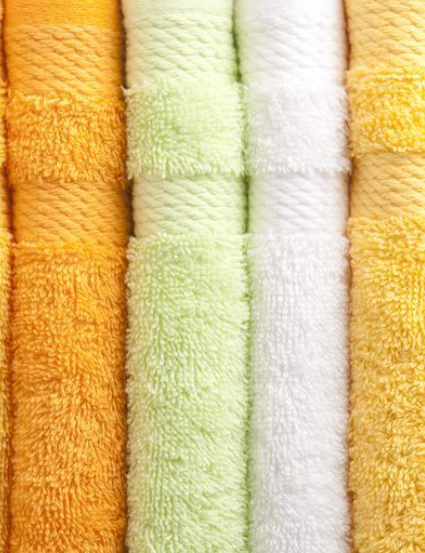
Decoding the Mystery of Bath Towel Stripes
What do the lines on bath towels mean? If you’ve ever pulled a fresh towel from the linen closet and noticed those distinctive stripes running along the edges, you’re not alone in wondering about their purpose. These lines aren’t just decorative flourishes—they serve several practical functions that most people never consider. Understanding what these markings represent can actually change how you buy, use, and care for your towels.
Table of Contents
The Primary Purpose: Identifying Towel Sections
Visual Markers for Practical Use
The most common reason manufacturers add lines to bath towels is to create visual sections that help users identify different areas of the towel. Traditionally, these stripes indicate the optimal placement for specific uses. The section with stripes is often intended for drying your face and hands, while the plain areas are meant for the body.
This distinction matters more than you might think. Your face deserves contact with the freshest, cleanest part of the towel, and having a designated area helps maintain better hygiene practices without requiring multiple towels.
The Middle Stripe Tradition
Many towels feature a prominent stripe or band running through the center. This central marking serves as a folding guide, showing you exactly where to crease the towel for uniform storage. When towels are folded consistently along these lines, they stack more neatly in closets and maintain their shape better over time.
Quality Indicators Hidden in Plain Sight
Weaving Technique Markers
The lines on your bath towels often reveal important information about how the towel was constructed. Different colored stripes or patterns can indicate where the weaving pattern changes or where different thread densities meet. High-quality towels use these transitions strategically to enhance both durability and absorbency.
Premium towels sometimes incorporate decorative lines that actually serve as reinforcement points. These areas experience different tension during the weaving process, and the visible stripes mark where manufacturers have added extra structural integrity.
Material Transition Zones
In luxury towels that blend different cotton types or incorporate specialized fibers, the lines often mark transition zones between materials. Egyptian cotton might occupy the main body while a different weave creates the striped borders, combining the best properties of multiple materials in one towel.
The Practical Side: Folding and Storage Guides
Hotel and Spa Standards
Professional hospitality establishments rely on towel lines for consistent presentation. Those crisp, perfectly folded towels you admire in upscale hotels achieve their uniform appearance partly because staff members use the built-in lines as folding guides.
The standard hotel fold follows the stripe pattern precisely. The towel gets folded lengthwise so stripes align on the outside, creating a polished, intentional look that signals cleanliness and attention to detail.
Space-Saving Benefits
When you fold towels according to their line patterns, you’re actually optimizing storage space. Consistent folding dimensions mean towels stack without toppling, and you can fit more items in the same shelf space. This isn’t accidental—textile designers consider storage efficiency when placing decorative elements.
Design Elements That Serve Multiple Purposes
Brand Identity and Product Lines
Many towel manufacturers use specific stripe patterns as signature elements. Three thin lines might distinguish one collection, while a single bold stripe identifies another. These visual markers help consumers quickly identify matching sets and maintain coordinated bathroom aesthetics.
The positioning, width, and color of stripes create a visual language that communicates quality level, intended use, and style category without requiring labels or packaging.
Color Coordination Systems
In households with multiple people, different colored stripes can designate ownership. Parents might choose towels with blue stripes while children get ones with yellow lines. This simple system prevents mix-ups and helps everyone maintain their own towel without confusion.
Historical Origins of Towel Stripes
Traditional Textile Markers
The practice of adding lines to towels dates back to when textiles were handwoven. Weavers would change thread colors at specific intervals to mark their progress and ensure consistent dimensions. These practical markers evolved into decorative elements as manufacturing techniques advanced.
In earlier centuries, the quality and complexity of border decorations, including stripes, indicated the towel’s value and the owner’s social status. While we don’t use towels as status symbols anymore, the tradition of decorative borders persists.
Evolution in Modern Manufacturing
Today’s automated looms can create intricate patterns effortlessly, but manufacturers continue incorporating lines because consumers expect them. The stripes have become so associated with quality towels that their absence can make a product look incomplete or unfinished.
How to Use Striped Sections Effectively
Maximizing Towel Longevity
Using your towel according to its designed sections can extend its lifespan. When you consistently use the striped end for your face and the plain area for your body, wear patterns distribute more evenly. This prevents certain areas from becoming threadbare while others remain pristine.
Hygiene Considerations
Designating the striped section for facial use creates a natural hygiene boundary. Your face is more sensitive to bacteria and deserves the cleanest towel surface. By always using the same end for your face, you establish a consistent routine that supports better skin health.
Choosing Towels Based on Line Patterns
What Different Patterns Signal
Wide, bold stripes often indicate a more casual, contemporary style suited for family bathrooms or beach use. Thin, delicate lines suggest a formal, elegant aesthetic appropriate for guest bathrooms. Multiple narrow stripes might signal a luxury product with complex weaving.
The placement of lines also matters. Border stripes create a framed effect that highlights the towel’s dimensions, while centered stripes emphasize length and can make smaller towels appear larger.
Quality Assessment Tips
Examine how crisply the lines are woven. Blurry or uneven stripes suggest lower-quality manufacturing, while sharp, precise lines indicate attention to detail and better overall construction. The stripes should maintain their clarity even after multiple washes.
Care Instructions Related to Striped Areas
Washing Considerations
Colored stripes require slightly different care than solid white towels. The dyes used for striping can bleed during initial washes, so separate new striped towels from light-colored items for the first few cycles. Use color-safe detergent to preserve the vibrancy of contrast stripes.
Drying and Maintaining Pattern Integrity
High heat can cause stripe colors to fade faster than the base towel color, creating an uneven appearance over time. Medium heat settings preserve the visual contrast longer while still achieving thorough drying.
Common Misconceptions About Towel Lines
They’re Not Just Decoration
The biggest myth is that towel stripes serve purely aesthetic purposes. While they certainly contribute to visual appeal, their functional roles in guiding use, indicating quality, and facilitating storage prove they’re far more than decorative afterthoughts.
The “Correct” Side Question
Many people wonder if striped ends indicate which side should face outward when hanging. There’s no universal rule, but most designers intend for the stripes to be visible when towels hang on bars, creating visual interest in your bathroom.
The Future of Towel Design
Smart Textiles and Indicator Lines
Emerging towel technologies are reimagining what lines might communicate. Some companies are developing towels with stripes that change color to indicate when washing is needed or when the towel has been used too many times between cleanings.
Personalization Trends
Custom stripe patterns are becoming popular for monogrammed and personalized towels. Consumers can now choose stripe colors, widths, and positions to create truly unique bathroom accessories that reflect personal style while maintaining functional benefits.
Making the Most of Your Understanding
Now that you know what the lines on bath towels mean, you can make more informed purchasing decisions and use your towels more effectively. Those simple stripes represent thoughtful design choices that enhance functionality, maintain quality standards, and create visual appeal.
Next time you reach for a towel, take a moment to appreciate how those unassuming lines serve multiple purposes simultaneously. They guide your folding, indicate quality construction, support hygienic use, and contribute to your bathroom’s aesthetic—all while seeming like nothing more than decorative accents.
The humble bath towel proves that good design often hides in plain sight, serving us quietly and efficiently every single day.
