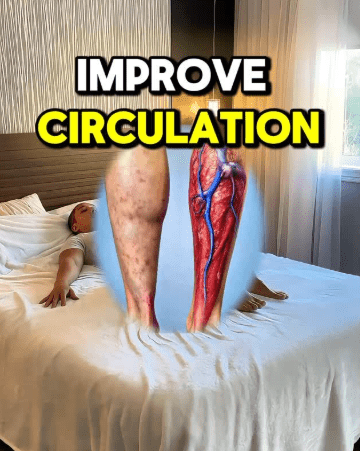
Do your legs often feel heavy, swollen, or tingly — especially after sitting or standing for long periods? These symptoms are common signs of poor circulation, a condition that affects how efficiently your blood flows through your veins and arteries. Poor circulation can make your legs feel cold, restless, or numb, and if left untreated, it can lead to more serious health issues.
The good news is that improving circulation is possible with a few lifestyle changes and natural remedies. In this article, we’ll explore what causes poor circulation in the legs, the warning signs to watch for, and effective, safe ways to restore healthy blood flow naturally.
Table of Contents
Understanding Poor Circulation
Poor circulation occurs when blood cannot move freely through your blood vessels. This can happen for several reasons — including weakened veins, arterial blockages, or lifestyle habits that slow down circulation.
Common Causes of Poor Circulation in the Legs
- Sedentary lifestyle: Sitting or standing too long limits blood flow.
- Varicose veins: Damaged veins make it difficult for blood to return to the heart.
- Peripheral artery disease (PAD): Narrowed arteries reduce blood supply to the legs.
- Diabetes: High blood sugar can damage blood vessels over time.
- Smoking: Nicotine constricts blood vessels and reduces oxygen flow.
- Obesity: Excess weight puts pressure on veins and slows circulation.
If you suffer from poor circulation, understanding the cause is the first step toward finding an effective solution.
Signs and Symptoms to Watch For
Recognizing the symptoms early can prevent complications. Here are the most common warning signs that your circulation may be poor:
Physical Symptoms
- Cold or numb feet and toes
- Tingling or “pins and needles” sensation in the legs
- Swelling (especially around the ankles)
- Leg cramps or pain while walking
- Bluish or pale skin tone on the legs or toes
Visible Changes
- Varicose or spider veins
- Dry, flaky skin on the lower legs
- Slow-healing wounds on the feet or ankles
If your legs feel heavy, tired, or uncomfortable most of the time, it’s important to take these signs seriously. Fortunately, there are natural ways to stimulate blood flow and strengthen your veins.
Natural Solutions for Poor Circulation in the Legs
You don’t always need expensive treatments to improve circulation. These simple and effective habits can make a big difference over time.
Stay Active Every Day
Movement is the best natural booster for blood flow. Regular exercise helps pump oxygen-rich blood through your legs and back to your heart.
Best Exercises for Circulation
- Walking: Even 20–30 minutes daily improves leg blood flow.
- Cycling: Strengthens calf muscles and promotes venous return.
- Stretching: Improves flexibility and prevents stiffness.
- Leg elevation: Lifting your legs above heart level for 10–15 minutes helps blood flow back to the heart.
Massage and Warm Compress
Gently massaging your legs improves circulation by stimulating blood vessels and relaxing tight muscles. A warm compress or foot soak also helps by dilating blood vessels, encouraging smoother blood flow.
Eat a Circulation-Friendly Diet
Certain foods naturally support vascular health and improve blood flow. Focus on:
- Citrus fruits: Rich in vitamin C, they strengthen vein walls.
- Leafy greens: Packed with nitrates that enhance circulation.
- Berries: Contain antioxidants that protect blood vessels.
- Garlic: Naturally helps lower blood pressure and prevent plaque buildup.
- Omega-3 fatty acids: Found in fish, flaxseed, and walnuts; these support heart and vessel health.
Stay Hydrated
Dehydration thickens your blood, making it harder for your heart to circulate it efficiently. Drinking enough water daily helps keep your blood fluid and your circulation smooth.
Compression Stockings
For those who spend long hours sitting or standing, compression socks or stockings are an excellent aid. They gently squeeze the legs, helping push blood upward toward the heart and reducing swelling or heaviness.
Herbal and Natural Remedies to Support Circulation
Certain herbs and natural extracts have been shown to support healthy circulation safely. Always consult your doctor before starting any supplement, especially if you have a medical condition.
Recommended Natural Remedies
- Ginkgo biloba: Improves blood vessel dilation and oxygen flow.
- Horse chestnut extract: Reduces leg swelling and supports vein strength.
- Cayenne pepper: Contains capsaicin, which stimulates blood circulation and relieves discomfort.
- Ginger: Promotes warmth and helps prevent blood clots.
These natural ingredients have been used for centuries to support vascular health and can complement lifestyle improvements.
When to See a Doctor
While lifestyle changes can significantly help, poor circulation may sometimes be linked to an underlying health issue that needs professional attention. You should seek medical advice if you experience:
- Persistent leg pain or cramps even at rest
- Skin ulcers or wounds that don’t heal
- Severe swelling or redness in one leg
- Numbness that worsens over time
A healthcare provider can assess your blood flow through noninvasive tests and recommend additional treatments if necessary.
Preventing Poor Circulation: Long-Term Care
Maintaining healthy circulation is a lifelong commitment, but small daily habits can keep your legs strong and energized.
Key Prevention Tips
- Avoid sitting or standing in one position for too long.
- Maintain a healthy weight.
- Wear comfortable shoes and avoid tight clothing.
- Take short walks every hour if you work at a desk.
- Limit smoking and alcohol consumption.
By being proactive, you can prevent poor circulation and enjoy light, healthy legs for years to come.
Final Thoughts
If you suffer from poor circulation and your legs feel heavy, cold, or tired, there is no reason to ignore these symptoms. Poor circulation doesn’t happen overnight — but neither does improvement. With consistent effort, natural remedies, and a few lifestyle adjustments, you can restore healthy blood flow, reduce discomfort, and regain energy in your legs.
Start by moving more, eating wisely, and caring for your legs daily. Your circulation — and your overall well-being — will thank you.
