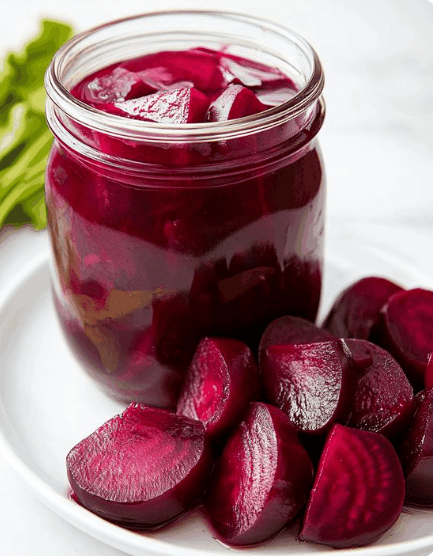
Homemade pickled beets recipe enthusiasts know there’s something magical about opening a jar of perfectly preserved beets—that deep ruby color, the sweet-tangy aroma, and that satisfying crunch. Whether you’re adding them to salads, enjoying them as a snack, or eating them straight from the jar (no judgment here), homemade pickled beets are infinitely better than anything you’ll find on store shelves.
Table of Contents
Why Make Your Own Pickled Beets
Before we dive into the recipe, let’s talk about why homemade pickled beets deserve a permanent spot in your refrigerator and pantry.
Complete Control Over Ingredients
When you make pickled beets at home, you decide exactly what goes into the jar. No mysterious preservatives, no excessive sodium, and no unnecessary additives. You can adjust the sweetness, control the tang, and even experiment with different spices to create your signature blend.
Store-bought pickled beets often contain high-fructose corn syrup and artificial colors to maintain that vibrant appearance. Your homemade version gets its gorgeous color naturally and tastes infinitely fresher.
Cost-Effective and Rewarding
A bunch of fresh beets costs a fraction of what you’d pay for a small jar of quality pickled beets. When beets are in season, you can pickle large batches and preserve summer’s bounty for months to come.
There’s also something deeply satisfying about lining up jars of homemade pickled beets on your shelf, knowing you created something delicious and shelf-stable with your own hands.
Nutritional Powerhouse
Beets are loaded with nutrients—folate, manganese, potassium, and those beneficial betalains that give them their distinctive color and provide antioxidant properties. Pickling preserves most of these nutrients while adding the probiotic benefits of fermentation if you choose that method.
The Perfect Homemade Pickled Beets Recipe
Ingredients You’ll Need
For the beets:
- 3 pounds of fresh beets (about 6-8 medium beets)
- Water for boiling
For the pickling liquid:
- 2 cups white vinegar or apple cider vinegar
- 1 cup water
- 1 cup granulated sugar
- 1 tablespoon kosher salt
- 1 teaspoon whole black peppercorns
- 4-5 whole cloves
- 2 bay leaves
- 1 cinnamon stick (optional, but highly recommended)
- 1 medium onion, thinly sliced (optional)
Equipment Required
You’ll need basic kitchen equipment: a large pot for boiling beets, a medium saucepan for the brine, clean glass jars with lids (mason jars work perfectly), a cutting board, a sharp knife, and kitchen gloves to prevent staining your hands.
If you’re planning to can your pickled beets for long-term storage, you’ll also need canning equipment including a large water bath canner and jar lifter.
Step-by-Step Instructions
Preparing the Beets
Start by selecting firm, fresh beets without soft spots or excessive blemishes. Leave about an inch of the stems attached and don’t trim the roots yet—this prevents the beets from bleeding out their color and nutrients during cooking.
Scrub the beets thoroughly under running water to remove any dirt. Place them in a large pot and cover with water by about two inches. Bring to a boil, then reduce heat and simmer for 30-40 minutes, depending on size. You’ll know they’re done when a fork pierces them easily.
While the beets are cooking, prepare an ice bath in your sink or a large bowl. Once the beets are tender, drain them and immediately plunge them into the ice water. This stops the cooking process and makes peeling infinitely easier.
The Peeling Process
Here’s where those kitchen gloves come in handy. Once the beets are cool enough to handle, the skins should slip off easily with gentle rubbing. If you encounter stubborn spots, use a paring knife to help remove the skin.
Trim off the stems and root ends. Now you can slice your beets however you prefer—rounds, half-moons, or quarters. I prefer slicing them into quarter-inch rounds because they’re perfect for stacking on sandwiches and look beautiful in the jar.
Creating the Perfect Brine
In a medium saucepan, combine the vinegar, water, sugar, and salt. Add your whole spices—the peppercorns, cloves, bay leaves, and cinnamon stick if using. Bring this mixture to a boil, stirring occasionally to ensure the sugar and salt dissolve completely.
The aroma at this stage is incredible—sweet, tangy, and warmly spiced. This is when you know you’re creating something special.
Packing Your Jars
While your brine heats, pack your sliced beets into clean jars. If you’re adding onions, layer them between the beet slices for visual appeal and added flavor. Leave about half an inch of headspace at the top of each jar.
Carefully ladle the hot brine over the beets, ensuring they’re completely covered. Distribute the whole spices evenly among the jars—not only do they continue to infuse flavor, but they also look beautiful.
Remove any air bubbles by gently pressing down on the beets with a clean spoon or knife. Wipe the jar rims with a clean, damp cloth to ensure a good seal, then secure the lids.
Two Preservation Methods
Quick Refrigerator Pickles
For immediate gratification, let your jars cool to room temperature, then refrigerate. Your pickled beets will be ready to eat in 24 hours, though they taste even better after three days when the flavors have fully melded. These will keep in the refrigerator for up to three months.
This method is perfect if you’re making a small batch or want to sample different spice combinations without committing to long-term storage.
Water Bath Canning for Long-Term Storage
For shelf-stable pickled beets that last up to a year, process your filled jars in a boiling water bath. Place your sealed jars in a canner or large pot with enough water to cover them by at least one inch.
Bring the water to a rolling boil and process pint jars for 30 minutes (35 minutes for quarts). Adjust processing time if you’re at high altitude—add 5 minutes for 1,000-3,000 feet, 10 minutes for 3,000-6,000 feet, and so on.
Remove the jars carefully and let them cool undisturbed for 12-24 hours. You should hear the satisfying “pop” of the lids sealing. Any jars that don’t seal should be refrigerated and eaten within three months.
Customizing Your Recipe
Sweet Versus Tangy Balance
The base recipe provides a balanced sweet-tangy flavor, but you can easily adjust to your preferences. For sweeter pickles, increase the sugar to 1.5 cups. For a more assertive tang, reduce sugar to three-quarters cup and increase vinegar by half a cup.
Apple cider vinegar creates a mellower, slightly fruity flavor, while white vinegar provides a sharper, cleaner tang. Some people even use a combination of both.
Spice Variations That Work Beautifully
The spice combination is where you can really make this recipe your own. Try these variations:
Mediterranean style: Add fresh dill, crushed garlic cloves, and a pinch of red pepper flakes for a savory profile that works wonderfully with goat cheese.
Warm spice blend: Increase the cinnamon and add a few allspice berries and a star anise for a deeply aromatic version that pairs beautifully with roasted meats.
Ginger-forward: Add a two-inch piece of fresh ginger, sliced thin, for a bright, slightly spicy kick that’s perfect in grain bowls.
Classic dill: Skip the sweet spices entirely and add plenty of fresh dill and garlic for a pickle that tastes like a traditional dill pickle but with the earthiness of beets.
Adding Complementary Vegetables
While beets are the star, other vegetables pickle beautifully alongside them. Try adding:
Sliced carrots for extra crunch and a pop of orange color. Red onions, as mentioned, add sharpness and look stunning. Cauliflower florets create textural contrast. Fresh green beans turn into pickled delights alongside the beets.
How to Use Your Pickled Beets
In Salads
Pickled beets elevate any salad from ordinary to extraordinary. They’re particularly stunning in grain salads with farro or quinoa, mixed greens with goat cheese and walnuts, or classic beet and orange salads.
Chop them into small pieces for a more even distribution of flavor, or leave them in rounds to make a visual statement. The pickling liquid also makes an excellent salad dressing base when whisked with olive oil.
As a Sandwich or Burger Topping
A few slices of pickled beets can transform a simple sandwich. They’re traditional on burgers in Australia, and once you try it, you’ll understand why. The sweet-tangy crunch cuts through rich meats and cheeses perfectly.
Try them on grilled cheese, veggie sandwiches, or even spread on toast with cream cheese for an unexpected but delicious snack.
Straight from the Jar
Sometimes the best way to enjoy pickled beets is the simplest—just fork them straight from the jar. They’re a satisfying snack that’s both indulgent-feeling and genuinely nutritious.
Keep a jar in your office refrigerator for a healthy afternoon pick-me-up, or serve them on a cheese board for a colorful, flavorful addition that balances rich cheeses.
In Hot Dishes
Don’t limit pickled beets to cold applications. They’re surprisingly good warmed and served as a side dish, chopped and stirred into warm potato salad, or even blended into a vibrant soup.
The pickling liquid can also be reduced and used as a glaze for roasted meats or vegetables, adding complexity and that signature sweet-tangy flavor.
Troubleshooting Common Issues
Why Are My Pickled Beets Too Soft?
Overcooking the beets before pickling is usually the culprit. Remember, they’ll continue softening slightly in the brine, so err on the side of slightly underdone rather than overdone. They should be tender but still have some resistance when you pierce them.
Using older beets can also result in softer pickles. Fresh, firm beets produce the best texture.
My Brine Looks Cloudy
Some cloudiness is normal, especially if you didn’t strain your brine before pouring it over the beets. Sediment from the spices can create a slightly cloudy appearance without affecting flavor or safety.
However, if you’ve canned your beets and notice cloudiness developing weeks later, this could indicate spoilage. When in doubt, throw it out.
The Color Isn’t as Vibrant as Expected
Overcooking beets can dull their color. The ice bath step is crucial for setting that beautiful ruby hue. Also, using apple cider vinegar instead of white vinegar can create a slightly less vibrant appearance, though the flavor remains excellent.
Some beet varieties are naturally more colorful than others. Red beets typically give the brightest color, while golden beets create a beautiful amber-colored pickle.
Storage and Shelf Life
Refrigerator Storage
Refrigerator pickled beets, once opened or if not canned, should be stored in the refrigerator and will maintain peak quality for about three months. Always use clean utensils when removing beets from the jar to prevent introducing bacteria.
The beets should remain submerged in the brine. If the level drops significantly, you can make a quick half-batch of brine to top off the jars.
Canned Storage
Properly canned and sealed pickled beets can be stored in a cool, dark place for up to 12 months. Once opened, treat them like refrigerator pickles and use within three months.
Before using home-canned pickled beets, always check the seal and inspect for signs of spoilage—bulging lids, off odors, or mold. Your senses are your best safety tools.
The Health Benefits Worth Noting
Natural Detoxification Support
Beets contain compounds that support your liver’s natural detoxification processes. The betalains that give beets their color are potent antioxidants that help protect cells from damage.
While the pickling process involves adding sugar and salt, you’re still getting many of beets’ beneficial compounds in a delicious, accessible form.
Digestive Health
The vinegar in pickled beets may help support healthy digestion. Some people find that consuming a small amount of pickled vegetables before meals helps with digestive comfort.
If you use a fermentation method instead of vinegar pickling, you’ll also get the probiotic benefits of beneficial bacteria, though the traditional vinegar method in this recipe doesn’t provide those same probiotics.
Blood Pressure and Exercise Performance
Beets are rich in nitrates that your body converts to nitric oxide, which can help relax and dilate blood vessels. Some research suggests this may support healthy blood pressure and improve exercise performance, though you shouldn’t rely on pickled beets as a medical treatment.
Making It a Family Activity
Pickling beets is a wonderful project to do with children or as a weekend activity with friends. Kids can help scrub beets, pack jars, and watch the transformation from raw vegetables to preserved delicacies.
It’s a practical way to teach food preservation, chemistry (the role of acid in preservation), and patience (waiting for the flavors to develop). Plus, children who help make pickled beets are often more excited to try them.
Conclusion
This homemade pickled beets recipe delivers everything you want: sweet, tangy, and packed with flavor that’s perfect for salads, snacks, or eating straight from the jar. The process is straightforward enough for beginners but rewarding enough that experienced preservers return to it again and again.
The beauty of this recipe is its flexibility. Start with the base version, then experiment with different spices, vegetables, and sweetness levels until you create your perfect pickle. Before long, you’ll find yourself buying extra beets at the farmers market just so you can make another batch.
Once you taste the difference between homemade pickled beets and store-bought versions, there’s no going back. The vibrant flavor, the satisfying crunch, and the pride of having made them yourself makes every bite more enjoyable. So grab some beets, clear some counter space, and get ready to create something delicious that’ll have everyone asking for the recipe.
