Taking care of your intimate health is crucial, yet many people unknowingly engage in habits that can harm their private parts. Understanding what to avoid is just as important as knowing proper hygiene practices. This comprehensive guide explores eight common mistakes that can compromise your genital health, helping you maintain optimal wellness and prevent uncomfortable complications.
Table of Contents
Why Proper Care of Your Private Part Matters
Your genital area is one of the most sensitive regions of your body, with delicate skin and a unique microbiome that requires careful attention. The private parts maintain a natural balance of bacteria and pH levels that protect against infections. Disrupting this balance through improper care can lead to irritation, infections, and long-term health issues.
Many people receive limited education about intimate health care, leading to misconceptions and harmful practices. By understanding what not to do, you can preserve your body’s natural defenses and maintain comfort and confidence in your daily life.
1. Using Harsh Soaps and Scented Products
The Problem with Fragranced Cleansers
One of the most common mistakes people make is using heavily scented soaps, body washes, or feminine hygiene products on their private parts. These products often contain harsh chemicals, artificial fragrances, and dyes that can irritate the sensitive skin of the genital area.
The vagina, in particular, is self-cleaning and maintains its own pH balance. Using scented products can disrupt this natural balance, killing beneficial bacteria and potentially leading to infections like bacterial vaginosis or yeast infections.
What to Do Instead
Use plain, unscented, mild soap on the external genital area only. For people with vaginas, water alone is sufficient for the internal area. Choose products specifically designed for sensitive skin, and avoid anything with added fragrances, dyes, or harsh chemicals.
2. Douching or Using Internal Cleaning Products
Why Douching Is Harmful
Douching involves rinsing the inside of the vagina with water or other solutions. This practice has been promoted in the past as a way to “clean” or “freshen” the vagina, but medical professionals strongly advise against it.
Douching removes the natural mucus and healthy bacteria that protect the vaginal walls, making you more susceptible to infections, pelvic inflammatory disease, and even complications during pregnancy. Research has consistently shown that douching does more harm than good.
The Natural Alternative
Your body is designed to maintain its own cleanliness. The vagina naturally produces discharge that cleanses and protects it. Simply washing the external area with water or mild soap during your regular shower is sufficient for proper hygiene.
3. Wearing Tight, Non-Breathable Clothing for Extended Periods
The Moisture and Heat Trap
Constantly wearing tight pants, synthetic underwear, or restrictive clothing creates a warm, moist environment around your private parts. This combination is perfect for bacterial and fungal growth, significantly increasing your risk of yeast infections, jock itch, and other uncomfortable conditions.
Non-breathable fabrics like polyester and nylon trap moisture and heat, preventing proper air circulation. For men, tight clothing can also affect sperm production by raising the temperature of the testicles.
Better Clothing Choices
Opt for cotton underwear that allows your skin to breathe. Choose looser-fitting pants when possible, especially during hot weather or physical activity. At night, consider sleeping without underwear to allow maximum air circulation and give your private area a chance to breathe.
4. Neglecting to Change Out of Wet Clothing
The Infection Risk
Staying in wet swimsuits, sweaty gym clothes, or damp underwear creates the perfect breeding ground for harmful bacteria and fungi. The moist environment disrupts the natural balance of your genital area and can quickly lead to infections.
This is particularly problematic after swimming or intense workouts. Many people don’t realize that even a short period in wet clothing can compromise their intimate health.
The Quick Fix
Always change out of wet or sweaty clothing as soon as possible. Bring a spare set of dry underwear to the gym or pool. If you’re prone to infections, consider changing your underwear midday during particularly hot or active days.
5. Over-Washing or Excessive Scrubbing
The Damage of Too Much Cleaning
While maintaining cleanliness is important, over-washing your private parts can strip away protective oils and beneficial bacteria. Some people wash their genital area multiple times per day or scrub vigorously, thinking this provides better hygiene. In reality, this practice can cause irritation, dryness, and microtears in the delicate skin.
Excessive washing disrupts the natural pH balance and can trigger a cycle where your body produces more discharge or odor in response to the irritation, leading to even more washing.
Finding the Right Balance
Once-daily washing during your regular shower is typically sufficient for most people. Use gentle motions and avoid scrubbing. If you feel the need to freshen up during the day, plain water or unscented wipes designed for sensitive skin can be used sparingly.
6. Using Random Household Items or Unsuitable Products
The Hidden Dangers
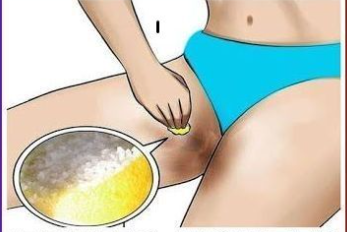
Never apply random household products, food items, or substances not specifically designed for intimate use to your private parts. Despite various internet myths and home remedies, products like coconut oil, yogurt, garlic, essential oils, or other DIY treatments can cause serious irritation, allergic reactions, or infections.
Similarly, using objects not designed for intimate use can introduce harmful bacteria, cause physical injury, or create other health complications. Even seemingly harmless products can have unexpected reactions when applied to sensitive genital tissue.
Safe Alternatives
If you’re experiencing discomfort, unusual discharge, odor, or other symptoms, consult a healthcare provider rather than self-treating. Only use products specifically formulated and tested for intimate use, and always check with your doctor before trying new treatments.
7. Ignoring Proper Hair Removal Hygiene
The Risks of Improper Grooming
Many people choose to remove pubic hair, but doing so incorrectly can lead to numerous problems including ingrown hairs, razor burn, cuts, infections, and folliculitis (inflammation of hair follicles). Using dull razors, sharing grooming tools, or failing to clean the area properly before and after hair removal increases these risks.
Pubic hair actually serves protective functions, including reducing friction and blocking bacteria from entering the body. Complete removal eliminates this natural barrier.
Safer Grooming Practices
If you choose to remove pubic hair, always use clean, sharp razors or well-maintained equipment. Exfoliate gently before removal and moisturize afterward with unscented, gentle products. Never share razors or grooming tools. Consider trimming rather than complete removal to maintain some protective benefits. If you experience frequent problems, consult a dermatologist about safer methods.
8. Delaying Medical Attention for Unusual Symptoms
The Cost of Waiting
Perhaps the most harmful thing you can do to your private parts is ignoring warning signs that something is wrong. Many people feel embarrassed about genital symptoms and delay seeking medical help, hoping issues will resolve on their own. This can allow infections to worsen, minor problems to become serious, and potentially mask symptoms of serious conditions.
Unusual discharge, persistent itching, burning during urination, unusual bumps or sores, persistent pain, or unexplained bleeding should never be ignored. Early treatment is almost always simpler, more effective, and less expensive than treating advanced problems.
Taking Action
Healthcare providers see genital health concerns regularly—it’s a normal part of their job. Don’t let embarrassment prevent you from getting necessary care. If you experience any persistent or concerning symptoms, schedule an appointment with your doctor or gynecologist. Most issues are easily treatable when caught early.
Additional Tips for Maintaining Intimate Health
Beyond avoiding harmful practices, consider these positive steps for optimal genital health:
- Stay hydrated to support your body’s natural cleansing processes
- Maintain a balanced diet rich in probiotics to support healthy bacteria
- Practice safe sex to prevent sexually transmitted infections
- Wipe front to back after using the bathroom to prevent bacterial transfer
- Urinate after sexual activity to flush out potential bacteria
- Get regular check-ups including STI screenings as appropriate
- Keep your immune system strong through adequate sleep and stress management
Conclusion
Your intimate health deserves the same care and attention as any other part of your body. By avoiding these eight common mistakes—using harsh products, douching, wearing restrictive clothing, staying in wet clothes, over-washing, using unsuitable substances, improper hair removal, and ignoring symptoms—you can maintain the natural balance and health of your private parts.
Remember that every body is different, and what works for one person might not work for another. Pay attention to how your body responds to different practices, and don’t hesitate to consult healthcare professionals with questions or concerns. Your genital health is an important aspect of your overall wellness, and taking proper care of this sensitive area will help you feel more comfortable and confident in your daily life.
By following these guidelines and respecting your body’s natural processes, you’ll be well-equipped to maintain optimal intimate health for years to come.
