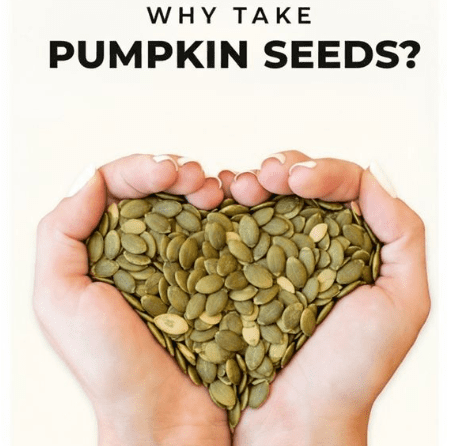
When it comes to nutrient-packed snacks that deliver massive health benefits in small doses, pumpkin seeds — also known as pepitas — truly stand out. These tiny green seeds may not look like much, but they’re bursting with essential nutrients, healthy fats, and antioxidants that make them one of nature’s most powerful superfoods. Whether sprinkled on your morning smoothie bowl, roasted for a savory snack, or added to baked goods, pumpkin seeds are a delicious way to nourish your body and support overall wellness.
Table of Contents
The Hidden Power Inside Pumpkin Seeds
Don’t let their size fool you — pumpkin seeds are a nutritional powerhouse. Each small seed is rich in protein, fiber, magnesium, zinc, and omega-3 fatty acids. What makes them especially remarkable is how easily they can fit into any diet, from vegan and vegetarian to gluten-free and halal lifestyles.
These seeds are edible raw, roasted, or even sprouted, and their mild, nutty flavor complements both sweet and savory dishes. Beyond taste, pumpkin seeds carry centuries of traditional use in various cultures for their health-boosting properties — particularly for the heart, immune system, and digestion.
Nutritional Breakdown: What Makes Pumpkin Seeds a Superfood
A small handful (about 28 grams) of pumpkin seeds contains:
- Protein: 7 grams
- Healthy fats: 13 grams (mostly omega-6 and omega-3 fatty acids)
- Fiber: 1.7 grams
- Magnesium: 37% of the recommended daily intake
- Zinc: 14% of the recommended daily intake
- Iron: 23% of the recommended daily intake
- Antioxidants: High levels of vitamin E and phenolic compounds
This impressive nutrient profile supports everything from energy production to bone health and immune function. The combination of healthy fats, antioxidants, and minerals makes pumpkin seeds one of the best everyday snacks for those seeking natural, long-term wellness.
Health Benefits of Pumpkin Seeds
1. Heart Health Support
Pumpkin seeds are excellent for heart health thanks to their high magnesium and antioxidant content. Magnesium helps regulate blood pressure, balance electrolytes, and support proper muscle function — including the heart muscle. The antioxidants and healthy fats help reduce inflammation and improve cholesterol levels, lowering the risk of heart disease over time.
2. Boosts Immune Function
Zinc is one of the most important minerals for immune strength, and pumpkin seeds happen to be one of its richest natural sources. Regular consumption can help strengthen your immune system, support wound healing, and improve resistance to infections.
3. Aids Better Sleep
If you struggle with insomnia or restless nights, pumpkin seeds may help. They contain tryptophan, an amino acid that promotes sleep by helping your body produce serotonin and melatonin — two essential sleep-regulating hormones. Enjoying a handful of roasted pumpkin seeds a few hours before bed may naturally enhance relaxation and improve sleep quality.
4. Promotes Prostate and Bladder Health
Traditionally, pumpkin seeds have been used to support men’s health, particularly for the prostate. Research has shown that the compounds in pumpkin seed oil may help reduce symptoms of benign prostatic hyperplasia (BPH), a condition that causes an enlarged prostate. Additionally, the seeds support urinary tract health and may help prevent bladder-related issues.
5. Improves Digestion
Pumpkin seeds are a good source of dietary fiber, especially when consumed with their shells. Fiber supports a healthy digestive system by promoting regular bowel movements and nourishing beneficial gut bacteria. A healthy gut, in turn, boosts nutrient absorption and strengthens the immune system.
6. Supports Bone Strength
Thanks to their high magnesium content, pumpkin seeds play an essential role in maintaining strong bones. Magnesium works closely with calcium to improve bone density and structure. Including pumpkin seeds in your daily diet is a simple and natural way to protect against bone loss as you age.
7. Helps Control Blood Sugar Levels
For people managing diabetes or insulin resistance, pumpkin seeds can be a valuable addition to the diet. They have a low glycemic index and are packed with magnesium, which helps regulate blood sugar levels and improves insulin sensitivity.
The Antioxidant Advantage
Pumpkin seeds are rich in antioxidants like vitamin E, phenolic acids, and carotenoids, which help protect your body from free radicals — unstable molecules that cause cell damage and aging. Antioxidants are essential for maintaining healthy skin, slowing down visible signs of aging, and preventing chronic diseases.
By regularly eating pumpkin seeds, you help your body combat oxidative stress and support long-term vitality.
How to Enjoy Pumpkin Seeds in Everyday Meals
There’s no shortage of creative ways to include pumpkin seeds in your daily diet. Here are a few simple ideas:
Add to Breakfast
Sprinkle roasted pumpkin seeds over oatmeal, yogurt, smoothie bowls, or cereal for a protein and crunch boost.
Toss in Salads
Mix them with leafy greens, cherry tomatoes, and avocado for a delicious and nutrient-packed salad topping.
Blend into Smoothies
Blend a tablespoon of pumpkin seeds into your morning smoothie to add creaminess and extra nutrients.
Use in Baking
Add pumpkin seeds to bread, muffins, or homemade granola bars for texture and flavor.
Snack on Them
Roasted pumpkin seeds with a touch of sea salt or chili powder make a perfect on-the-go snack.
Choosing and Storing Pumpkin Seeds
When buying pumpkin seeds, look for raw or lightly roasted, unsalted varieties to get the most nutrition. If possible, choose organic seeds to avoid pesticide residues.
Store them in an airtight container in a cool, dry place. For longer shelf life, keep them in the refrigerator — the natural oils in pumpkin seeds can go rancid if exposed to heat for too long. Properly stored seeds can last up to six months without losing flavor or nutrients.
Precautions and Serving Tips
Pumpkin seeds are generally safe for everyone, but moderation is key. They are calorie-dense, so overconsumption can lead to unnecessary calorie intake. Aim for about 1–2 tablespoons per day as part of a balanced diet.
For those with nut allergies, pumpkin seeds can be a safe alternative — though always check for cross-contamination if purchasing packaged products.
Sustainability and Cultural Roots
Pumpkin seeds aren’t just healthy — they’re also environmentally friendly. Pumpkins are widely cultivated and require minimal processing, making the seeds a sustainable food source.
In many cultures, especially in Latin America and the Middle East, pumpkin seeds have been cherished for centuries, not only as a snack but also as a remedy for various ailments. This ancient respect for pepitas reflects their enduring nutritional and cultural value.
The Bottom Line: Small Seeds, Big Benefits
Pumpkin seeds are small but mighty superfoods that deserve a place in every healthy kitchen. Packed with plant-based protein, minerals, healthy fats, and antioxidants, they offer a long list of benefits — from heart and bone health to better sleep and stronger immunity.
Whether you’re looking to boost your nutrition naturally or just enjoy a crunchy, satisfying snack, pumpkin seeds deliver powerful results in every bite. Simple, versatile, and incredibly nourishing — these tiny green gems prove that sometimes, the best things really do come in small packages.
