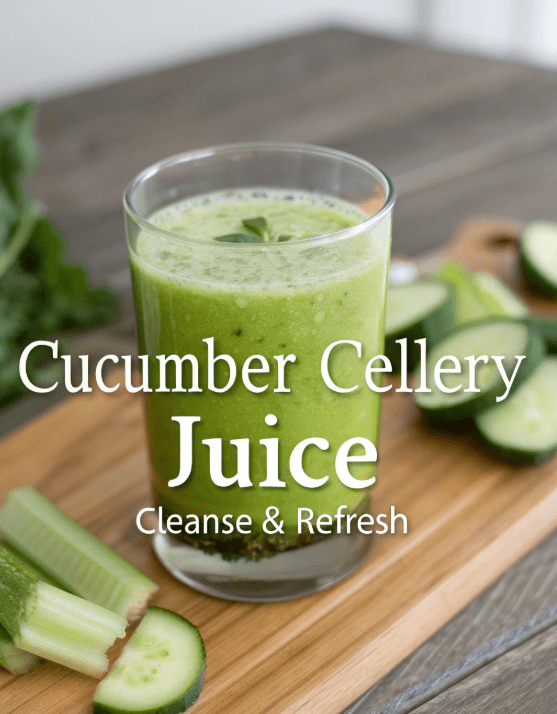
Learning how to make cucumber celery juice opens the door to one of the most hydrating and health-promoting beverages you can create at home. This simple yet powerful combination has become a staple in wellness circles, and for good reason. With just a handful of ingredients and a few minutes of your time, you can craft a drink that refreshes your body from the inside out while delivering impressive nutritional benefits.
The beauty of cucumber celery juice lies in its simplicity. Unlike complicated recipes with exotic ingredients, this green elixir uses vegetables you probably already have in your refrigerator. Whether you’re new to juicing or a seasoned pro, mastering this recipe will give you a go-to drink for hydration, detoxification, and overall vitality.
Table of Contents
Why Cucumber and Celery Make the Perfect Juicing Pair
These two vegetables complement each other in ways that go beyond taste. Cucumbers bring a mild, refreshing flavor and exceptional water content, while celery adds a subtle saltiness and crisp character. Together, they create a balanced juice that’s easy to drink and incredibly nourishing.
The Hydration Heroes
Both cucumber and celery are composed of over 95% water, making this juice one of the most hydrating beverages you can consume. This high water content helps flush toxins from your system, supports kidney function, and keeps your cells properly hydrated. Unlike sugary sports drinks or artificially flavored waters, this juice hydrates naturally without any additives.
Nutrient Density Without the Calories
What makes this combination truly remarkable is how much nutrition it packs into such a low-calorie drink. You’re getting vitamins K, C, and A, along with potassium, magnesium, and folate. The juice also contains beneficial plant compounds like flavonoids and polyphenols that support overall health.
Natural Electrolyte Balance
Celery is naturally rich in sodium and potassium, two essential electrolytes your body needs for proper muscle function, nerve signaling, and fluid balance. This makes cucumber celery juice an excellent choice after workouts or during hot weather when you need to replenish what you’ve lost through sweat.
Essential Ingredients for Your Cucumber Celery Juice
The Core Components
- 1 large cucumber (approximately 12 ounces)
- 4 to 5 stalks of celery with leaves
- 1/2 lemon, peeled
- 1-inch piece of fresh ginger (optional)
- A handful of fresh parsley or cilantro (optional)
Choosing the Best Produce
Quality matters when it comes to juicing. Select cucumbers that are firm, dark green, and free from soft spots. The best cucumbers for juicing are English cucumbers or Persian cucumbers, which have fewer seeds and thinner skins. For celery, look for bunches with crisp, firm stalks that snap cleanly when bent. Avoid celery that looks wilted or has brown spots.
Organic produce is preferable for this recipe since you’re consuming the vegetables in concentrated form. If organic isn’t available or affordable, make sure to wash your produce thoroughly to remove any pesticide residue.
Optional Flavor Enhancers
While the basic recipe is delicious on its own, you can customize your juice with additional ingredients. Fresh mint leaves add a cooling sensation. A green apple brings natural sweetness without overwhelming the vegetables. Spinach or kale can boost the nutritional content without significantly altering the taste.
Step-by-Step Instructions for Perfect Cucumber Celery Juice
Preparation Phase
Start by washing all your produce under cool running water. Use a vegetable brush to scrub the cucumber and celery, especially if they’re not organic. This removes dirt, bacteria, and any surface contaminants. Cut off the ends of the cucumber and separate the celery stalks from the bunch.
If you’re using a juicer, cut your vegetables into pieces that will fit through the feeding tube. For cucumbers, quarters or large chunks work well. Celery can usually go in whole or cut in half. If you’re using a blender, chop everything into smaller pieces to help your blender process them more easily.
Don’t discard the celery leaves. They’re packed with nutrients and add a pleasant, slightly peppery flavor to your juice. The cucumber skin can stay on as it contains beneficial nutrients and fiber.
Using a Juicer Method
Feed the celery through your juicer first. Celery is fibrous and helps push other ingredients through the machine. Alternate with cucumber pieces, which will help clean the juicer and extract maximum juice from the celery. Add the lemon last for a burst of citrus flavor that brightens the entire drink.
Run the juicer at the appropriate speed for vegetables. Most modern juicers have a low or medium setting that works perfectly for cucumbers and celery. Collect the juice in a large glass or pitcher, then give it a good stir before serving.
Using a Blender Method
Place all chopped vegetables in your blender with about half a cup of filtered water. This helps the blades move and creates a smoother blend. Start on low speed and gradually increase to high, blending for 60 to 90 seconds until everything is completely liquified.
Pour the blended mixture through a fine-mesh strainer, cheesecloth, or nut milk bag. Use a spoon to press down on the pulp, extracting as much liquid as possible. This method takes a bit more effort than juicing but works perfectly well if you don’t own a juicer.
If you prefer a thicker consistency with more fiber, skip the straining step and drink it as a blended juice. You’ll get additional digestive benefits from the fiber while still enjoying all the nutrients.
Timing and Serving Recommendations
Best Time to Drink
The optimal time to consume cucumber celery juice is first thing in the morning on an empty stomach. This allows your body to absorb the nutrients quickly without competition from other foods. Many people report feeling energized and clear-headed within 30 minutes of drinking it.
However, this juice works well at any time of day. Drink it as an afternoon refresher when your energy dips, or enjoy it post-workout to rehydrate and replenish electrolytes. Some people like having a glass before dinner to help with digestion and reduce overeating.
Serving Size and Frequency
A single serving is typically 8 to 12 ounces, which is what the recipe above yields. If you’re new to vegetable juices, start with a smaller amount and gradually increase as your taste buds adjust. You can safely drink this juice daily without any concerns.
For maximum freshness and nutrient content, drink your juice immediately after making it. The nutrients begin degrading as soon as the vegetables are broken down, and oxidation starts reducing the vitamin content.
Temperature Matters
Most people prefer this juice cold or over ice, especially during warm weather. The cool temperature enhances the refreshing quality and makes it more satisfying. If you want an extra cold juice without diluting it with ice, refrigerate your cucumbers and celery before juicing.
Storage Guidelines and Meal Prep Tips
Short-Term Storage
If you need to store your juice, pour it into an airtight glass container, filling it to the very top to minimize air exposure. Seal it tightly and refrigerate immediately. The juice will stay fresh for up to 24 hours, though you’ll notice some separation and nutrient loss.
Before drinking stored juice, give it a vigorous shake or stir to recombine any separated liquids. The color may darken slightly due to oxidation, but the juice is still safe to consume.
Preparing Ingredients in Advance
To make morning juicing faster, wash and chop your vegetables the night before. Store them in airtight containers in the refrigerator. This prep work takes only five minutes but saves valuable time during busy mornings.
You can portion out the exact amounts you need for each juice session. Keep celery stalks and cucumber pieces in separate containers to maintain optimal freshness.
Freezing Options
While fresh juice is always best, you can freeze cucumber celery juice in ice cube trays for later use. Once frozen, transfer the cubes to freezer bags. Add them to smoothies or thaw them for a quick juice fix. The texture will be slightly different after freezing, but the nutrients remain largely intact.
Health Benefits You Can Expect
Digestive System Support
Cucumber celery juice provides gentle support for your digestive system. The high water content helps move things along your digestive tract, preventing constipation. Celery contains natural compounds that may help reduce inflammation in the digestive lining and support stomach acid production for better digestion.
The juice also has a mild diuretic effect, helping your body eliminate excess water retention and reducing bloating. Many people notice a flatter stomach and improved digestion within days of drinking this juice regularly.
Skin Health and Clarity
The combination of hydration and nutrients in this juice can lead to noticeable improvements in skin appearance. The silica in cucumber supports collagen production, helping skin maintain its elasticity and youthful appearance. Vitamin C from both vegetables aids in healing and protection against environmental damage.
People who drink this juice regularly often report clearer, more radiant skin. The hydrating effects plump up skin cells, reducing the appearance of fine lines and giving your complexion a healthy glow.
Blood Pressure and Heart Health
Celery contains compounds called phthalides that may help relax blood vessel walls, potentially supporting healthy blood pressure levels. The potassium in both vegetables works with sodium to maintain proper fluid balance and cardiovascular function.
The anti-inflammatory properties of both cucumbers and celery may contribute to overall heart health by reducing inflammation in blood vessels and supporting healthy circulation.
Weight Management Support
This juice is an excellent addition to any weight management plan. At roughly 50 to 60 calories per serving, it provides substantial nutrition and hydration with minimal caloric impact. The high water content helps you feel full and satisfied, potentially reducing overall calorie consumption throughout the day.
Drinking this juice before meals may help control portions by taking the edge off hunger. It’s a smart alternative to calorie-dense beverages like sodas, sweetened teas, or fruit juices that can sabotage weight loss efforts.
Troubleshooting Common Issues
The Juice Tastes Too Bitter
If your juice has an unpleasant bitter taste, the culprit is likely the celery leaves or base. While nutritious, these parts can be quite bitter. Try removing some of the leaves or using only the inner, lighter-colored stalks. Adding more cucumber or a bit of green apple can also balance any bitterness.
Some people are genetically more sensitive to the compounds in celery that create bitterness. If this affects you, reduce the celery portion and increase the cucumber until you find a ratio that works for your palate.
Not Enough Juice Output
Low juice yield usually means your produce isn’t fresh or your equipment needs adjustment. Cucumbers and celery should release plenty of liquid when they’re fresh and properly hydrated. If you’re getting mostly pulp and little juice, try cutting your vegetables into smaller pieces or adjusting your juicer’s speed settings.
For blender users, adding a bit more water during blending helps extract more liquid. Press firmly on the pulp when straining to get every last drop of juice.
Juice Separates or Changes Color
Separation is completely normal and doesn’t indicate a problem. Fresh juice naturally separates into layers, with heavier particles settling at the bottom. Simply stir or shake before drinking. Color changes from bright green to olive or brownish-green occur due to oxidation and are expected in fresh juice.
To minimize color change, consume your juice immediately or add a squeeze of lemon juice, which acts as a natural preservative due to its vitamin C and acidity.
Foaming on Top
A layer of foam on top of your juice is normal, especially if you’re using a centrifugal juicer or blending. The foam forms when air gets incorporated during processing. You can simply skim it off if you find it unappealing, or stir it back into the juice. The foam contains nutrients too, so there’s no need to waste it.
Enhancing Your Cucumber Celery Juice
Green Boost Variations
Transform your basic juice into a green powerhouse by adding a handful of spinach or kale. These leafy greens blend seamlessly with the mild flavors of cucumber and celery while dramatically increasing the vitamin and mineral content. You won’t notice much taste difference, but you’ll get added iron, calcium, and antioxidants.
Fresh herbs like parsley, cilantro, or basil add depth and additional cleansing properties. Parsley is particularly beneficial for kidney function and freshening breath. Cilantro supports heavy metal detoxification.
Citrus Enhancements
Beyond lemon, try adding lime for a different citrus note. Grapefruit adds a slight bitterness and tartness that some people love. These citrus additions not only improve flavor but also increase vitamin C content and help preserve the juice longer by slowing oxidation.
Spice It Up
A small piece of fresh ginger adds a warming kick and supports digestion and immune function. Turmeric root brings anti-inflammatory benefits and a subtle earthy flavor. If using dried turmeric, add just a pinch and mix well. A dash of cayenne pepper can boost metabolism, though this definitely isn’t for everyone.
Sweet Balance
If you find the juice too savory or vegetal, add a small green apple or half a pear. These fruits provide natural sweetness without turning your juice into a sugar bomb. They complement the vegetables nicely while keeping the overall sugar content reasonable.
Equipment Considerations
Juicer Types and Performance
Centrifugal juicers are fast and affordable, making them popular for beginners. They work well for cucumber and celery, though they may produce slightly less juice than other types. The high-speed spinning can introduce more air, potentially reducing nutrient retention.
Masticating or cold-press juicers extract more juice from vegetables and preserve more nutrients due to their slower, grinding action. They’re quieter and more efficient but typically cost more. For cucumber and celery, either type works perfectly fine.
Blender Requirements
Any decent blender can handle cucumbers and celery, but more powerful models make the job easier and faster. High-speed blenders like Vitamix or Blendtec completely liquefy the vegetables, requiring less straining. Budget-friendly blenders work too but may require more water and more thorough straining.
Cleaning and Maintenance
Clean your juicer or blender immediately after use to prevent pulp from drying and becoming difficult to remove. Most juicers disassemble easily for cleaning. Rinse all parts under running water first, then wash with soap and a brush.
For stubborn celery fibers stuck in juicer screens, soak the parts in warm soapy water for a few minutes before scrubbing. A small brush or old toothbrush helps clean tight spaces and mesh screens.
Making It a Sustainable Habit
Budgeting for Fresh Juice
Cucumber celery juice is one of the most affordable juices you can make. A bunch of celery and a large cucumber typically cost less than five dollars, yielding multiple servings. Compare this to store-bought cold-pressed juices that often cost eight to ten dollars for a single bottle.
Buy in bulk when your produce is on sale and prepare portions for the week. Farmers markets often offer better prices than grocery stores, and you can ask vendors about slightly imperfect vegetables at reduced prices that work perfectly fine for juicing.
Creating a Morning Routine
Building a juicing habit becomes easier when you attach it to an existing routine. Set out your juicer the night before so it’s ready to go. Keep your produce in an easy-to-reach spot in the refrigerator. These small preparations remove friction and make juicing feel effortless.
Many people find that once they experience the benefits of cucumber celery juice, they naturally want to continue. The energy boost, improved digestion, and overall feeling of wellness become motivating factors that make the habit stick.
Safety Considerations and Precautions
Who Should Exercise Caution
While cucumber celery juice is safe for most people, those on blood-thinning medications should consult their doctor before consuming large amounts regularly. Both vegetables contain vitamin K, which affects blood clotting. Consistent intake is generally fine, but sudden increases might interfere with medication effectiveness.
People with kidney problems should moderate their intake due to the high potassium content in celery. If you have any chronic health conditions or take regular medications, check with your healthcare provider before making cucumber celery juice a daily habit.
Potential Digestive Adjustments
Some people experience increased bowel movements when they first start drinking this juice regularly. This is normal and usually indicates your body is detoxifying and eliminating waste more efficiently. If you experience discomfort, reduce your portion size and gradually increase it as your body adapts.
The mild diuretic effect means you might urinate more frequently at first. This is actually beneficial as it helps flush toxins from your system. Stay well-hydrated by drinking plenty of water throughout the day alongside your juice.
Pesticide Concerns
Celery consistently ranks high on lists of produce with pesticide residues. Whenever possible, choose organic celery to minimize your exposure. If organic isn’t available, soak conventional celery in a mixture of water and baking soda for 15 minutes before rinsing thoroughly. This helps remove surface pesticides.
Cucumbers also carry pesticide residues, especially on the skin. A thorough wash with a vegetable brush removes most surface contaminants. Peeling removes even more, though you’ll lose some nutrients found in the skin.
Your Journey Starts Here
Now that you know how to make cucumber celery juice, you have the tools to create this nourishing drink whenever you need it. The process is straightforward, the ingredients are accessible, and the benefits are substantial. Whether you’re seeking better hydration, improved digestion, clearer skin, or simply a refreshing beverage that makes you feel good, this juice delivers.
Start with the basic recipe and experiment with variations until you find your perfect blend. Make it part of your morning ritual or afternoon reset. Pay attention to how your body responds and adjust accordingly. Most importantly, enjoy the process of creating something beneficial for yourself with your own hands.
This simple green juice might just become one of the best habits you develop this year. Here’s to your health, one refreshing glass at a time.
