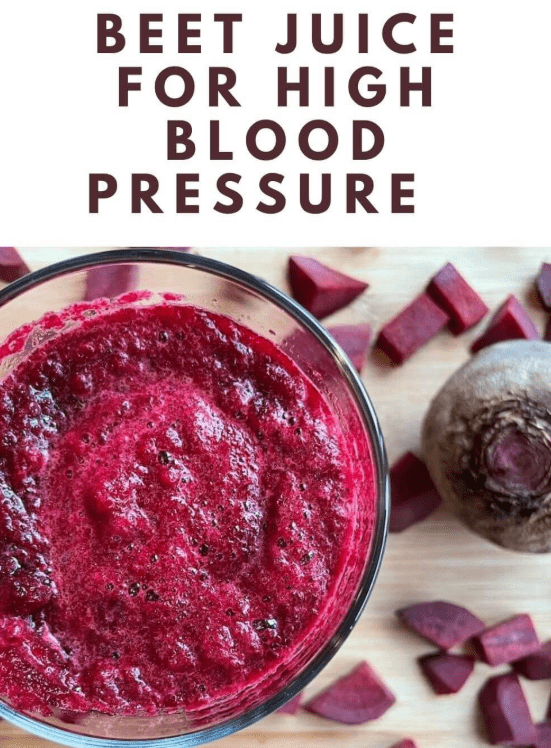
Beet juice for high blood pressure has emerged as one of the most researched natural interventions in cardiovascular health over the past two decades. If you’ve been diagnosed with hypertension or are watching your blood pressure numbers creep upward, you’ve probably heard whispers about this deep purple liquid and its remarkable effects on cardiovascular health.
I’ll admit, when I first encountered claims about beet juice lowering blood pressure, I was doubtful. How could something as simple as vegetable juice make a meaningful difference in a condition that affects nearly half of all adults? But the research is compelling, consistent, and continues to grow. This isn’t about replacing your medication or medical care—it’s about understanding a powerful dietary tool that could complement your blood pressure management strategy.
Let me walk you through everything you need to know about using beet juice for high blood pressure, from the science behind how it works to practical tips for incorporating it into your daily routine.
Table of Contents
Understanding High Blood Pressure: Why It Matters
Before diving into how beet juice can help, it’s important to understand what you’re dealing with when it comes to hypertension.
The Silent Threat
High blood pressure has earned its nickname as “the silent killer” because it often develops without obvious symptoms. You might feel perfectly fine while your blood pressure quietly damages your arteries, heart, kidneys, and brain.
Blood pressure readings consist of two numbers: systolic pressure (the top number) represents the force when your heart beats, while diastolic pressure (the bottom number) measures the force when your heart rests between beats. Normal blood pressure is generally considered to be below 120/80 mmHg. Readings consistently above 130/80 mmHg indicate hypertension.
The Cascade of Complications
Uncontrolled high blood pressure isn’t just about numbers on a monitor. Over time, it forces your heart to work harder, damages and narrows your arteries, and significantly increases your risk of heart attack, stroke, kidney disease, and cognitive decline.
This is why managing blood pressure matters so much. Even modest reductions—as small as 5-10 mmHg—can translate into meaningful decreases in cardiovascular risk.
The Science Behind Beet Juice and Blood Pressure
Now let’s get to the heart of the matter: how does beet juice actually affect your blood pressure, and what does the research really say?
The Nitrate Connection
The secret to beet juice’s blood pressure-lowering effects lies in its exceptionally high concentration of dietary nitrates. Before you panic at the word “nitrate,” understand that the nitrates in vegetables are completely different from the harmful nitrites added to processed meats.
When you consume beet juice, the dietary nitrates follow a fascinating pathway through your body. Beneficial bacteria in your mouth convert these nitrates into nitrite, which is then absorbed and converted into nitric oxide—a crucial molecule for cardiovascular health.
Nitric Oxide: Your Blood Vessel’s Best Friend
Nitric oxide is a signaling molecule that tells your blood vessels to relax and dilate. Think of your blood vessels like garden hoses—when they’re constricted and narrow, pressure builds up. When they relax and widen, pressure decreases.
As we age, our bodies produce less nitric oxide naturally, which is one reason blood pressure tends to increase with age. By providing your body with dietary nitrates from beet juice, you’re essentially giving it the raw materials to produce more nitric oxide and keep your blood vessels more relaxed.
What the Research Actually Shows
The scientific evidence supporting beet juice for high blood pressure is substantial. Multiple systematic reviews and meta-analyses have examined this relationship, and the results are consistently positive.
A landmark study published in Hypertension, a journal of the American Heart Association, found that drinking 250 ml of beet juice daily led to an average reduction of approximately 8/4 mmHg in blood pressure. This effect was sustained over several weeks of continued consumption.
Another comprehensive review analyzing 22 different studies found that beet juice supplementation resulted in significant blood pressure reductions, with effects appearing within just a few hours and lasting up to 24 hours after consumption.
Perhaps most impressively, research has shown that the blood pressure-lowering effects of beet juice are most pronounced in people who need it most—those with higher baseline blood pressure readings.
How Effective Is Beet Juice Compared to Medication?
This is the question everyone wants answered: can beet juice really make a difference, or is this just wishful thinking?
Putting the Numbers in Perspective
The average blood pressure reduction from beet juice—around 8/4 mmHg for systolic and diastolic pressure respectively—might not sound dramatic, but it’s clinically significant.
To put this in context, a reduction of just 5 mmHg in systolic blood pressure is associated with approximately 10% lower risk of major cardiovascular events. Some commonly prescribed blood pressure medications achieve reductions in a similar range, particularly for people with mild to moderate hypertension.
Not a Medication Replacement
Let me be absolutely clear: beet juice is not a substitute for prescribed blood pressure medication. If your doctor has prescribed medication for your hypertension, continue taking it as directed.
However, beet juice can be an excellent complementary approach. Some people find that incorporating beet juice into their lifestyle, along with other healthy changes, allows them to eventually reduce medication doses under medical supervision. Others use it as a preventive measure to keep blood pressure from climbing into the hypertensive range.
Individual Variation Matters
Not everyone responds to beet juice identically. Research suggests that people with higher blood pressure, those who are less physically active, and individuals with certain genetic variations in nitric oxide metabolism may experience more pronounced benefits.
The only way to know how your body responds is to try it consistently while monitoring your blood pressure. This brings us to the practical question of how to actually use beet juice effectively.
How Much Beet Juice Should You Drink?
Dosage matters when you’re using beet juice for therapeutic purposes. Too little might not produce results, while drinking excessive amounts comes with its own considerations.
The Research-Backed Dose
Most studies showing blood pressure benefits have used doses ranging from 250 to 500 ml of beet juice daily. That’s roughly one to two cups. This amount provides approximately 6-12 mmol of dietary nitrates, which appears to be the therapeutic range for cardiovascular benefits.
Many people start with about 250 ml (one cup) daily and assess their response over several weeks. If you’re not seeing the blood pressure changes you hoped for, you might increase to 500 ml daily, always while monitoring your blood pressure and consulting with your healthcare provider.
Timing Your Consumption
The blood pressure-lowering effects of beet juice typically begin within 2-3 hours of consumption, peak around 3-6 hours, and can last up to 24 hours.
Based on this timeline, many people choose to drink beet juice in the morning, which provides blood pressure benefits throughout the day. However, if your blood pressure tends to be highest at a particular time, you might time your beet juice consumption a few hours before that period.
Consistency Is Crucial
Here’s something many people don’t realize: the blood pressure benefits of beet juice require regular, consistent consumption. This isn’t a one-time fix or something you drink occasionally when you remember.
The research showing sustained blood pressure reductions involved daily consumption over weeks and months. Think of beet juice as a daily supplement rather than an occasional health boost.
Choosing the Right Beet Juice
Not all beet juice is created equal, and your choice can significantly impact both the effectiveness and your ability to stick with this intervention.
Fresh Juice vs. Commercial Products
Freshly juiced beets contain the highest concentration of beneficial nitrates and other nutrients. If you have a juicer and don’t mind the prep work, fresh beet juice is an excellent option.
However, fresh beet juice has a strong, earthy flavor that some people find challenging. It also requires buying fresh beets regularly and cleaning your juicer—barriers that can make consistency difficult.
Commercial beet juice products offer convenience and consistent dosing. Look for products that are 100% beet juice without added sugars or unnecessary ingredients. Some products are specifically formulated for cardiovascular health and provide standardized nitrate content.
Beet Juice Shots and Concentrates
Concentrated beet juice shots have become popular because they deliver a therapeutic dose in a much smaller volume—often just 70-100 ml instead of a full cup.
These concentrates are particularly convenient for people who dislike the taste of beet juice or want to minimize the sugar content. A quick shot in the morning is easier to incorporate into a busy routine than drinking a large glass of juice.
What About Beet Powder?
Beet powder or beetroot powder is another option worth considering. Made from dehydrated beets, it can be mixed into water, smoothies, or other beverages.
Research has shown that beet powder can provide similar blood pressure benefits to juice, though you need to ensure you’re getting an adequate dose of nitrates. Look for products that specify the nitrate content, and aim for 300-500 mg of dietary nitrates daily.
The advantage of powder is shelf stability and convenience. The disadvantage is that the taste can be even more concentrated and challenging for some people.
Making Beet Juice More Palatable
Let’s address the elephant in the room: beet juice has a distinctly earthy taste that many people find unpleasant, especially when consumed daily.
Flavor Combinations That Work
One of the most popular ways to make beet juice more enjoyable is combining it with other ingredients. Apple juice is a classic partner—the sweetness and acidity of apples balance the earthiness of beets beautifully.
Citrus fruits like oranges, lemons, or grapefruit also work well. The bright acidity cuts through the beet flavor while adding vitamin C and additional antioxidants. A simple combination of 2 beets, 1 apple, and half a lemon creates a much more palatable juice.
Ginger is another excellent addition. It adds a spicy kick that distracts from the beet taste while providing its own anti-inflammatory benefits. Just a small piece of fresh ginger can transform your beet juice.
The Smoothie Strategy
If you can’t handle beet juice even with flavor additions, consider blending it into smoothies. The thick texture and combination of multiple ingredients help mask the beet flavor.
Try blending beet juice with frozen berries, a banana, some leafy greens, and your choice of milk or yogurt. The result is a nutrient-dense smoothie where the beet flavor becomes just one component among many.
Temperature Matters
Some people find cold beet juice more tolerable than room temperature juice. Serving it over ice or keeping it refrigerated until consumption can make a noticeable difference in palatability.
Others prefer to drink it quickly like medicine rather than sipping it slowly. Finding what works for you is part of the process.
Beyond Blood Pressure: Additional Benefits of Beet Juice
While we’re focusing on high blood pressure, it’s worth noting that the benefits of regular beet juice consumption extend beyond cardiovascular health.
Exercise Performance and Endurance
The same nitric oxide pathway that benefits blood pressure also improves oxygen delivery to muscles during exercise. Multiple studies have shown that beet juice supplementation can enhance athletic performance, increase time to exhaustion, and improve exercise efficiency.
If you’re combining blood pressure management with increased physical activity—which is highly recommended—beet juice might give you a performance edge that makes exercise more enjoyable and sustainable.
Cognitive Function
Your brain requires substantial blood flow to function optimally, and the blood vessel-dilating effects of beet juice can improve cerebral blood flow. Some research suggests that beet juice consumption may support cognitive function, particularly in older adults.
While more research is needed in this area, the potential cognitive benefits add another reason to consider beet juice as part of a brain-healthy lifestyle.
Anti-Inflammatory Effects
Beets contain betalains—the pigments responsible for their deep red color—which have demonstrated anti-inflammatory and antioxidant properties. Chronic inflammation contributes to numerous health conditions, so the anti-inflammatory effects of regular beet consumption provide broad health benefits.
Potential Side Effects and Considerations
Beet juice is generally safe for most people, but there are some side effects and considerations you should know about.
Beeturia: The Harmless Color Change
The most common and harmless side effect of beet juice consumption is beeturia—pink or red coloration of urine and sometimes stools. This occurs in roughly 10-14% of people and is completely benign.
It happens because some people can’t fully metabolize the betalain pigments in beets, so they’re excreted in urine. While it can be startling if you’re not expecting it, beeturia is not a health concern.
Blood Sugar Considerations
Beet juice contains natural sugars—about 13-15 grams per cup. While this isn’t excessive, people with diabetes or insulin resistance should monitor their blood sugar response to beet juice.
The glycemic index of beet juice is moderate, and the beneficial effects on blood pressure may outweigh concerns about sugar content for many people. However, individual monitoring is important, and you might opt for smaller doses or beet powder with lower sugar content.
Kidney Stone Risk
Beets are high in oxalates, compounds that can contribute to kidney stone formation in susceptible individuals. If you have a history of calcium oxalate kidney stones, consult with your doctor before consuming beet juice regularly.
For most people without kidney stone history, the oxalate content isn’t a concern, especially when consuming moderate amounts.
Medication Interactions
While beet juice doesn’t typically interact with blood pressure medications, the combined effect could theoretically lower blood pressure too much. This is why it’s essential to monitor your blood pressure regularly and keep your doctor informed.
If you’re taking medications for erectile dysfunction (like Viagra) or nitrate medications for angina, be particularly cautious, as the combined effects on nitric oxide could cause excessive blood pressure drops.
Integrating Beet Juice Into a Blood Pressure Management Plan
Beet juice works best as part of a comprehensive approach to managing blood pressure, not as a standalone intervention.
The DASH Diet Connection
The DASH (Dietary Approaches to Stop Hypertension) diet is the gold standard eating pattern for blood pressure management. It emphasizes fruits, vegetables, whole grains, lean proteins, and low-fat dairy while limiting sodium, saturated fat, and added sugars.
Beet juice fits perfectly within the DASH diet framework. In fact, the diet’s emphasis on high vegetable intake naturally includes many nitrate-rich vegetables like beets, leafy greens, and celery.
Lifestyle Factors That Amplify Benefits
Beet juice’s blood pressure benefits can be amplified by other healthy lifestyle choices. Regular physical activity, maintaining a healthy weight, managing stress, limiting alcohol, and avoiding tobacco all work synergistically with dietary interventions.
Think of blood pressure management as a multi-pronged approach where each positive choice reinforces the others. Beet juice is one powerful tool, but it works best alongside other evidence-based strategies.
Monitoring and Adjusting
If you decide to try beet juice for high blood pressure, invest in a quality home blood pressure monitor and track your readings regularly. Check your blood pressure at the same time each day, ideally in the morning and evening.
Keep a simple log of your readings along with notes about your beet juice consumption, exercise, stress levels, and other relevant factors. After 2-4 weeks, you should have enough data to assess whether beet juice is making a difference for you.
Who Should Try Beet Juice for Blood Pressure?
Beet juice isn’t right for everyone, so let’s discuss who might benefit most and who should be more cautious.
Ideal Candidates
Beet juice is particularly worth trying if you have prehypertension (blood pressure between 120/80 and 130/80) or stage 1 hypertension (130-139/80-89). These ranges indicate blood pressure that’s elevated but not severely high, where lifestyle interventions can be especially effective.
It’s also a good option for people who are already on medication but want to explore complementary approaches, or those who want to prevent blood pressure from increasing as they age.
When to Exercise Caution
If you have severe hypertension (readings consistently above 180/120), beet juice alone is insufficient. You need immediate medical attention and pharmaceutical intervention. Once your blood pressure is better controlled with medication, you can discuss adding beet juice with your doctor.
People with kidney disease should consult their nephrologist before consuming beet juice regularly due to the potassium and oxalate content. Similarly, if you have any condition that affects nitric oxide metabolism, work with your healthcare provider.
The Importance of Medical Oversight
I cannot stress this enough: managing high blood pressure should always involve medical oversight. Beet juice is a dietary intervention that can support blood pressure management, but it’s not a replacement for proper medical care.
Regular check-ups, appropriate testing, and professional guidance ensure that you’re managing your blood pressure safely and effectively. Your doctor can help you integrate beet juice into your overall treatment plan.
Making It Sustainable: Long-Term Success Strategies
The benefits of beet juice for high blood pressure only last as long as you continue consuming it regularly. Here’s how to make this a sustainable practice.
Start Gradually
Don’t jump immediately to drinking two cups of beet juice daily, especially if you’re not used to high-nitrate vegetables. Start with a smaller amount—perhaps half a cup or a concentrated shot—and gradually increase over a week or two.
This gradual approach allows your digestive system to adjust and helps you find a dose and timing that works for your lifestyle.
Establish a Routine
The most successful habits are those tied to existing routines. Perhaps you drink your beet juice right after brushing your teeth in the morning, or you blend it into your regular breakfast smoothie.
Whatever routine you establish, make it specific and consistent. “I’ll drink beet juice in the morning” is less effective than “I’ll drink 250 ml of beet juice immediately after making my coffee each day.”
Track Your Progress
Nothing motivates continued behavior like seeing results. Keep your blood pressure log updated, and celebrate the improvements you see. Even small reductions in blood pressure numbers represent real improvements in cardiovascular health.
You might also notice other benefits—better exercise performance, increased energy, improved digestion. Noting these positive changes can reinforce your commitment to continuing.
Have a Backup Plan
Life gets busy, and there will be days when your usual routine isn’t possible. Having convenient options like beet juice shots or beet powder means you can maintain consistency even during travel or particularly hectic days.
Stock your pantry with shelf-stable options so you’re never without your daily dose.
The Bottom Line on Beet Juice for High Blood Pressure
So, is beet juice for high blood pressure worth the hype? Based on the substantial research evidence, the answer is a qualified yes—especially when used as part of a comprehensive approach to cardiovascular health.
The science is solid: the dietary nitrates in beet juice are converted to nitric oxide, which relaxes blood vessels and lowers blood pressure. Multiple studies have demonstrated meaningful reductions in blood pressure with regular consumption of 250-500 ml of beet juice daily.
However, it’s crucial to maintain realistic expectations. Beet juice isn’t a magic bullet that will cure severe hypertension or eliminate the need for medication. What it can do is provide a natural, evidence-based dietary intervention that meaningfully supports blood pressure management when used consistently alongside other healthy lifestyle choices.
For people with prehypertension or mild hypertension, beet juice might help prevent progression to more serious blood pressure problems. For those already on medication, it could potentially enhance the effects of pharmaceutical treatment. And for anyone interested in cardiovascular health, it offers benefits that extend beyond blood pressure to exercise performance and overall circulation.
The taste might take some getting used to, and the commitment to daily consumption requires discipline. But for a natural intervention backed by solid science, beet juice deserves serious consideration in your blood pressure management toolkit.
If you decide to try it, start with quality beet juice or powder, monitor your blood pressure regularly, work with your healthcare provider, and give it at least 4-6 weeks of consistent use to assess the effects. Your cardiovascular system—and your future self—might just thank you for adding this deep purple powerhouse to your daily routine.
