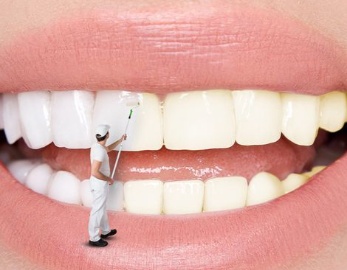
Yellow teeth can affect your confidence more than you might realize. Whether you’re preparing for a job interview, a first date, or simply want to feel better about your smile, removing yellow stains from teeth at home has become an increasingly popular solution. The good news? You don’t need expensive dental treatments to see real results.
This comprehensive guide walks you through everything you need to know about safely whitening your teeth in the comfort of your own home.
Table of Contents
Why Do Teeth Turn Yellow in the First Place?
Before diving into solutions, understanding the root cause helps you prevent future staining. Your teeth have two layers: the outer enamel and the inner dentin. When enamel wears down or becomes porous, the naturally yellowish dentin shows through.
Common Culprits Behind Tooth Discoloration
Coffee and tea top the list of staining beverages. Their dark pigments cling to enamel, creating gradual discoloration over time. Red wine, cola, and dark sodas follow closely behind.
Tobacco use accelerates yellowing significantly. Both smoking and chewing tobacco leave stubborn stains that penetrate deep into tooth enamel.
Your diet plays a bigger role than most people think. Foods with intense colors—berries, tomato sauce, soy sauce, and balsamic vinegar—can contribute to staining when consumed regularly.
Aging naturally yellows teeth as enamel thins over the years. Additionally, certain medications, particularly tetracycline antibiotics and some antihistamines, can cause discoloration.
Poor oral hygiene allows plaque and tartar buildup, which appears yellow and makes teeth look dull.
Natural Home Remedies That Actually Work
Baking Soda: The Gentle Abrasive
Baking soda remains one of the most effective and researched home whitening methods. Its mild abrasive properties scrub away surface stains without damaging enamel when used correctly.
Create a simple paste by mixing one teaspoon of baking soda with two teaspoons of water. Brush gently for two minutes, then rinse thoroughly. Limit this treatment to two or three times per week to avoid enamel erosion.
Hydrogen Peroxide Rinse for Deep Cleaning
Hydrogen peroxide acts as a natural bleaching agent that kills bacteria in your mouth. Dentists use higher concentrations in professional whitening treatments, but the household version works well for home use.
Mix equal parts hydrogen peroxide (3% solution) with water. Swish the mixture around your mouth for one minute before brushing. Never swallow the solution, and avoid using it more than once daily.
Oil Pulling with Coconut Oil
This ancient Ayurvedic practice has gained modern attention for good reason. Oil pulling reduces bacteria and plaque, which contribute to yellowing.
Take one tablespoon of coconut oil and swish it around your mouth for 10 to 15 minutes each morning before brushing. The oil pulls toxins and bacteria from your teeth and gums. Spit it into a trash can rather than your sink to avoid clogging pipes.
Apple Cider Vinegar: Use with Caution
Apple cider vinegar contains acetic acid, which can remove stains and kill bacteria. However, its acidic nature means you must use it sparingly.
Dilute one part apple cider vinegar with two parts water. Swish for no more than 30 seconds, then rinse your mouth with plain water. Use this method only twice per week maximum, as overuse erodes enamel.
Foods That Naturally Whiten Teeth
Crunchy Fruits and Vegetables
Apples, carrots, and celery act like natural toothbrushes. Their crisp texture scrubs teeth while you chew, removing surface stains and stimulating saliva production.
Strawberries and Pineapple
Strawberries contain malic acid, which naturally whitens teeth. Pineapple contains bromelain, an enzyme that helps remove stains. Mash one strawberry and brush it onto your teeth for two minutes before rinsing.
Cheese and Dairy Products
Hard cheeses and milk products increase saliva production and contain calcium and phosphorus, which strengthen enamel and reduce yellowing.
Over-the-Counter Whitening Products Worth Trying
Whitening Toothpastes
Not all whitening toothpastes deliver equal results. Look for products containing hydrogen peroxide or carbamide peroxide as active ingredients. Brands with the American Dental Association (ADA) seal have been tested for safety and effectiveness.
Use whitening toothpaste twice daily as you would regular toothpaste. Results typically appear after two to six weeks of consistent use.
Whitening Strips
These thin, flexible strips coated with peroxide-based gel conform to your teeth. Most treatments require 30 minutes of daily use for two weeks.
The concentration of whitening agent in strips provides faster results than toothpaste alone. Follow package instructions carefully to avoid gum irritation.
LED Whitening Kits
These kits combine a peroxide gel with an LED light designed to accelerate the whitening process. While more expensive than strips, many users report noticeable results within a week.
Apply the gel to your teeth using the provided tray, then hold the LED light against your teeth for the recommended time—usually 10 to 30 minutes.
Daily Habits for Maintaining White Teeth
Perfect Your Brushing Technique
Brush twice daily for two minutes each time using gentle circular motions. Hold your toothbrush at a 45-degree angle to your gums. Replace your toothbrush every three months or when bristles fray.
Don’t Skip Flossing
Flossing removes plaque and food particles between teeth where your toothbrush cannot reach. This prevents yellowing in hard-to-clean areas. Make it a nightly habit before bedtime.
Rinse After Staining Foods and Drinks
When you cannot brush immediately after consuming staining foods, swish water around your mouth. This simple step prevents pigments from settling into enamel.
Use a Straw for Dark Beverages
Drinking coffee, tea, or dark sodas through a straw minimizes contact with your front teeth. This small change reduces staining significantly over time.
Stay Hydrated
Drinking plenty of water throughout the day washes away food particles and bacteria. Water also stimulates saliva production, which naturally protects and cleans teeth.
What to Avoid When Whitening Teeth at Home
Lemon Juice and Other Acidic Solutions
Despite popular myths, lemon juice destroys tooth enamel. Its high acidity causes irreversible damage that leads to increased sensitivity and more yellowing as dentin becomes exposed.
Activated Charcoal Products
While trendy, activated charcoal lacks scientific evidence supporting its whitening claims. Its abrasiveness may actually scratch enamel and worsen staining over time.
Excessive Whitening
Overusing whitening products damages enamel and irritates gums. Stick to recommended frequencies and give your teeth recovery time between treatments.
Ignoring Sensitivity
If whitening causes pain or prolonged sensitivity, stop immediately. These symptoms indicate potential enamel damage or underlying dental issues requiring professional attention.
When to See a Dentist
Home whitening methods work best for surface stains. Deep discoloration from medication, trauma, or internal tooth issues requires professional treatment.
Schedule a dental appointment if you experience persistent sensitivity, uneven whitening, or if home methods produce no results after several weeks. Your dentist can identify underlying problems and recommend appropriate professional treatments.
Professional cleanings every six months remove tartar buildup that home brushing cannot eliminate. These cleanings prevent yellowing and keep your smile bright between whitening treatments.
Creating Your Personal Whitening Routine
Combine multiple approaches for optimal results. Start with good daily habits: proper brushing, regular flossing, and mindful eating. Add one or two active whitening methods like baking soda treatments or whitening strips.
Track your progress by taking photos every two weeks. This helps you see gradual improvements and adjust your routine as needed.
Remember that patience pays off. Most home whitening methods require several weeks of consistent use before delivering noticeable results.
The Bottom Line on At-Home Teeth Whitening
Removing yellow stains from teeth at home is entirely achievable with the right approach. Natural remedies like baking soda and hydrogen peroxide provide safe, effective results when used properly. Over-the-counter products offer convenience and faster outcomes for those seeking quicker transformation.
Your daily habits matter more than any single treatment. Protecting your teeth from staining foods, maintaining excellent oral hygiene, and avoiding harmful whitening myths keeps your smile bright for years to come.
Start with one or two methods that fit your lifestyle and budget. Consistency trumps intensity every time. With dedication and proper technique, you can achieve a noticeably whiter smile without leaving your home or breaking the bank.
Your confident, radiant smile is closer than you think—and it starts with taking that first step toward better oral care today.
