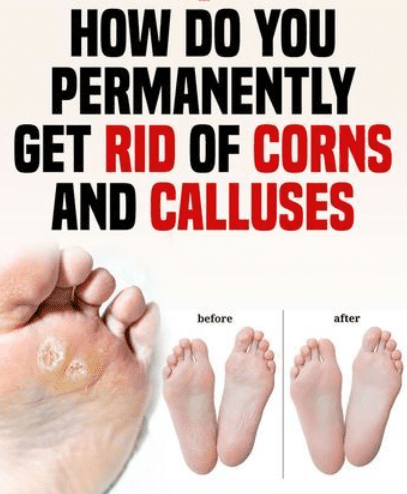
Dealing with painful corns and calluses can make even the simplest activities like walking or wearing your favorite shoes feel uncomfortable. If you’ve been searching for natural ways to get rid of corns and calluses at home, you’re in the right place. This comprehensive guide combines time-tested remedies with holistic wellness practices to help you achieve softer, healthier feet without harsh chemicals or expensive treatments.
Table of Contents
Understanding Corns and Calluses: What You Need to Know
Before diving into natural remedies, it’s essential to understand what you’re dealing with. Corns and calluses are your body’s protective response to repeated friction and pressure on the skin. While they serve a defensive purpose, they can become painful and unsightly when left untreated.
The Difference Between Corns and Calluses
Corns are smaller, concentrated areas of thickened skin that typically develop on the tops and sides of toes. They have a hard center surrounded by inflamed skin and can be quite painful when pressure is applied.
Calluses, on the other hand, are larger, more diffused areas of thick skin that usually form on the soles of your feet, particularly on the heels and balls. They’re generally less painful than corns but can crack and cause discomfort if they become too thick.
Why Natural Remedies Work for Corns and Calluses
Natural treatments offer several advantages over chemical solutions. They’re gentler on your skin, free from harsh ingredients, cost-effective, and can be prepared easily at home with ingredients you likely already have in your kitchen. Plus, natural remedies work with your body’s healing processes rather than against them, promoting overall skin health while addressing the specific problem.
H2: Natural Ways To Get Rid of Corns And Calluses At Home: 7 Proven Methods
H3: Method 1 – Apple Cider Vinegar Soak
Apple cider vinegar is a powerhouse ingredient for softening hardened skin thanks to its natural acidity. The acetic acid helps break down the tough skin cells while its antimicrobial properties keep your feet clean and healthy.
How to use it: Mix equal parts warm water and raw, unfiltered apple cider vinegar in a basin large enough for your feet. Soak your feet for 15-20 minutes daily. After soaking, gently exfoliate the softened area with a pumice stone using circular motions. Pat your feet dry and apply a natural moisturizer like coconut oil or shea butter.
For enhanced results, you can create a more concentrated treatment by soaking a cotton ball in apple cider vinegar, placing it directly on the corn or callus, securing it with a bandage, and leaving it overnight. The next morning, the hardened skin will be significantly softer and easier to remove.
H3: Method 2 – Baking Soda Exfoliating Treatment
Baking soda serves as a natural exfoliant that gently removes dead skin cells while balancing your skin’s pH levels. This humble kitchen ingredient has been used for generations as a beauty treatment for good reason.
How to use it: Create a paste by mixing three tablespoons of baking soda with one tablespoon of warm water. You can also add a few drops of lemon juice for extra exfoliating power. Apply this paste directly to the affected areas and massage gently in circular motions for 3-5 minutes.
Alternatively, add three tablespoons of baking soda to a basin of warm water and soak your feet for 15 minutes. The alkaline nature of baking soda will soften the thickened skin, making it easier to slough off with a foot file or pumice stone. Rinse thoroughly and moisturize well afterward.
H3: Method 3 – Castor Oil Deep Moisturizing Therapy
Castor oil is incredibly rich in ricinoleic acid, a fatty acid with powerful moisturizing and healing properties. It penetrates deep into the skin layers, gradually softening even the toughest calluses and corns.
How to use it: Warm a small amount of pure, cold-pressed castor oil between your palms. Massage it thoroughly into the corn or callus, spending at least 5 minutes on each affected area. For best results, apply the oil before bedtime, then wear cotton socks overnight to lock in the moisture and prevent staining your bedding.
For stubborn cases, create a castor oil pack by soaking a small cloth in warm castor oil, placing it over the affected area, covering it with plastic wrap, and securing it with a bandage. Leave this on overnight. The extended contact time allows the oil to work its magic more effectively. Repeat this treatment nightly until you see significant improvement.
H3: Method 4 – Epsom Salt Healing Soak
Epsom salt, or magnesium sulfate, is renowned for its ability to reduce inflammation, draw out impurities, and soften hardened skin. This mineral compound has been a staple in natural healing practices for centuries.
How to use it: Fill a foot basin with warm water and add half a cup of Epsom salt. Stir until the salt dissolves completely. Soak your feet for 20-30 minutes, allowing the mineral-rich solution to penetrate the thickened skin. The warm water opens up pores while the Epsom salt works to soften and heal.
After soaking, your skin will be soft and pliable—the perfect time to gently exfoliate with a pumice stone or foot file. Use light pressure and work in one direction to avoid irritating the surrounding healthy skin. Rinse your feet with cool water, pat dry, and apply a thick moisturizer. For enhanced benefits, add a few drops of tea tree oil or lavender essential oil to your soak for their antimicrobial and soothing properties.
H3: Method 5 – Aloe Vera Gel Soothing Treatment
Fresh aloe vera gel is nature’s skin healer, packed with vitamins, enzymes, and amino acids that promote skin regeneration and provide deep hydration. It’s particularly effective for corns and calluses that have become inflamed or painful.
How to use it: If you have an aloe vera plant, cut a leaf and extract the fresh gel. If not, purchase pure aloe vera gel without added chemicals or fragrances. Apply a generous layer of the gel directly to the corn or callus, massaging it in with gentle circular motions.
For overnight treatment, apply the gel thickly, cover the area with a cotton pad, and secure it with medical tape or a bandage. The aloe vera will work continuously to soften the hardened skin while reducing any inflammation. Repeat this process daily. Within a week or two, you should notice the corn or callus becoming significantly softer and less painful. The best part? Aloe vera is so gentle that you can use it as often as needed without worrying about side effects.
H3: Method 6 – Coconut Oil and Lemon Juice Combination
This powerful duo combines the deep moisturizing properties of coconut oil with the natural exfoliating acids found in fresh lemon juice. Together, they create an effective treatment that both softens and gradually dissolves thickened skin.
How to use it: Mix two tablespoons of organic, virgin coconut oil with one tablespoon of freshly squeezed lemon juice. If your coconut oil is solid, gently warm it first until it liquefies. Apply this mixture generously to the affected areas, massaging it in for several minutes to ensure deep penetration.
For maximum effectiveness, apply the mixture before bed and wear cotton socks overnight. The extended contact time allows both ingredients to work synergistically—the coconut oil provides sustained moisture while the citric acid in lemon juice gently breaks down the tough skin cells. In the morning, wash your feet with warm water and gently exfoliate. Continue this treatment nightly, and within two to three weeks, you should see dramatic improvement. The corn or callus will gradually shrink and soften, eventually disappearing completely.
H3: Method 7 – Turmeric and Honey Healing Paste
Turmeric is a golden treasure in natural medicine, containing curcumin—a compound with powerful anti-inflammatory and healing properties. When combined with honey’s natural antibacterial and moisturizing qualities, you get a treatment that not only softens corns and calluses but also promotes faster healing of any cracks or damaged skin.
How to use it: Create a thick paste by mixing one tablespoon of turmeric powder with two tablespoons of raw honey. If the mixture is too thick, add a few drops of warm water to achieve a spreadable consistency. Apply this golden paste directly to the corn or callus, covering it completely with a thick layer.
Cover the treated area with a clean cloth or bandage to prevent staining (turmeric can temporarily color skin and fabric yellow). Leave the paste on for at least 30 minutes, or better yet, overnight for more stubborn cases. The anti-inflammatory properties of turmeric will reduce any pain and swelling, while honey locks in moisture and accelerates the healing process. Rinse with warm water and gently exfoliate. Use this treatment 3-4 times weekly until the corn or callus is gone. As a bonus, the turmeric will leave your feet with a healthy glow!
H2: The 7 Pranayama Connection: Holistic Wellness for Complete Healing
While topical treatments address the external symptoms, incorporating pranayama (yogic breathing exercises) into your routine supports healing from within. The “7 pranayama” concept refers to seven fundamental breathing techniques that enhance circulation, reduce stress, and promote overall wellness—all factors that contribute to healthier skin and faster healing.
H3: How Pranayama Supports Skin Health
Proper breathing techniques increase oxygen supply to your cells, including skin cells. This enhanced oxygenation promotes faster cell regeneration and healing. Additionally, pranayama reduces stress hormones that can negatively impact skin health and slows the healing process.
H3: Simple Pranayama Practice for Better Healing
1. Anulom Vilom (Alternate Nostril Breathing): This balances your body’s energy and improves circulation. Practice for 5-10 minutes daily.
2. Kapalbhati (Skull Shining Breath): This detoxifying breath cleanses your system from within and improves blood flow to extremities.
3. Bhramari (Bee Breath): This calming technique reduces stress and promotes relaxation, which supports the healing process.
4. Ujjayi (Ocean Breath): This warming breath improves circulation throughout your body, including to your feet.
5. Bhastrika (Bellows Breath): This energizing breath increases oxygen intake and enhances cellular metabolism.
6. Sheetali (Cooling Breath): This cooling technique reduces inflammation throughout the body.
7. Dirga (Three-Part Breath): This deep breathing exercise ensures maximum oxygen intake and promotes full-body relaxation.
Practice these breathing exercises for 10-15 minutes daily, preferably in the morning. Even if you start with just 2-3 techniques, you’ll notice improvements in your overall wellness and potentially faster healing of your corns and calluses.
H2: Prevention Strategies: Stop Corns and Calluses Before They Start
While knowing natural ways to get rid of corns and calluses at home is valuable, prevention is always better than cure. Here are practical strategies to keep your feet smooth and healthy.
H3: Choose Proper Footwear
Ill-fitting shoes are the primary culprit behind corns and calluses. Invest in shoes that fit properly—not too tight or too loose. There should be about a thumb’s width of space between your longest toe and the end of the shoe. Choose shoes with adequate cushioning and arch support, and avoid high heels for extended periods.
H3: Keep Your Feet Moisturized
Dry skin is more prone to developing calluses. Apply a good quality natural moisturizer to your feet daily, paying special attention to areas prone to dryness. Coconut oil, shea butter, or cocoa butter work wonderfully. For best absorption, apply moisturizer right after bathing when your skin is still slightly damp.
H3: Regular Exfoliation
Don’t wait for calluses to form. Exfoliate your feet 2-3 times weekly using a pumice stone or foot file during or after your shower. This prevents the buildup of dead skin cells that eventually become calluses. Always use gentle pressure and work gradually—aggressive scrubbing can damage healthy skin.
H3: Use Protective Padding
If you have areas prone to friction, use protective pads or silicone inserts in your shoes. These redistribute pressure and reduce friction, preventing corns and calluses from forming. Toe separators can also help prevent corns between toes.
H2: When to See a Healthcare Professional
While natural ways to get rid of corns and calluses at home are effective for most people, certain situations require professional attention:
- If you have diabetes or poor circulation, consult a podiatrist before attempting home treatments
- If the corn or callus becomes infected (signs include increased pain, redness, warmth, or pus)
- If home treatments don’t show improvement after 2-3 weeks
- If you experience severe pain that interferes with walking
- If you notice any bleeding or discharge from the affected area
Never attempt to cut or shave off a corn or callus yourself, as this can lead to infection and further complications.
H2: Lifestyle Factors That Support Healthy Feet
H3: Proper Nutrition for Skin Health
Your diet plays a crucial role in skin health. Ensure you’re getting adequate:
- Vitamin E: Found in nuts, seeds, and leafy greens, it promotes skin repair
- Vitamin C: Crucial for collagen production, found in citrus fruits and berries
- Omega-3 fatty acids: Found in flaxseeds, chia seeds, and walnuts, they reduce inflammation
- Zinc: Supports skin healing, found in pumpkin seeds, legumes, and whole grains
- Water: Hydration is essential for maintaining skin elasticity
H3: Maintain Healthy Body Weight
Excess body weight puts additional pressure on your feet, increasing the likelihood of developing calluses, particularly on the soles of your feet. Maintaining a healthy weight through balanced nutrition and regular exercise reduces this pressure and prevents callus formation.
H3: Practice Good Foot Hygiene
Wash your feet daily with mild soap and warm water. Dry them thoroughly, especially between the toes, as moisture can lead to fungal infections. Change your socks daily and choose breathable materials like cotton or moisture-wicking fabrics. Air out your shoes between wearings and alternate between different pairs to allow them to dry completely.
H2: Creating Your Personalized Corn and Callus Treatment Routine
Now that you know multiple natural ways to get rid of corns and calluses at home, here’s how to create an effective routine:
Daily routine:
- Morning: Practice 10-15 minutes of pranayama breathing exercises
- Evening: Soak feet in your chosen solution (apple cider vinegar, Epsom salt, or baking soda)
- Before bed: Apply your chosen treatment (castor oil, aloe vera, coconut oil mixture, or turmeric paste)
- Wear cotton socks overnight
3-4 times weekly:
- Gentle exfoliation after soaking
- Intensive moisturizing treatment
Weekly:
- Deep conditioning treatment with coconut oil or shea butter
- Assessment of progress
Be consistent with your chosen routine. Most people see noticeable improvement within 2-3 weeks, with complete resolution in 4-6 weeks depending on the severity of the corn or callus.
H2: The Mind-Body Connection in Healing
Traditional wellness practices, including the pranayama techniques mentioned earlier, recognize that physical healing is enhanced when we address our mental and emotional well-being. Stress and tension can manifest physically, sometimes affecting circulation and slowing healing processes.
Incorporate these practices alongside your physical treatments:
- Mindful meditation: 10 minutes daily to reduce stress
- Adequate sleep: 7-9 hours nightly to support your body’s natural healing
- Gentle yoga: Improves circulation and overall flexibility
- Positive visualization: Imagine your feet healing and becoming healthier
This holistic approach, combining topical treatments with breathing exercises and mindful practices, creates optimal conditions for your body to heal naturally and effectively.
H2: Frequently Asked Questions
H3: How long does it take for natural remedies to work on corns and calluses?
Most people notice softening within the first week of consistent treatment, with significant improvement visible within 2-3 weeks. Complete resolution typically takes 4-6 weeks, depending on the severity of the corn or callus and how consistently you apply the treatments. Patience and consistency are key—natural remedies work gradually but effectively.
H3: Can I use multiple natural remedies together?
Yes, you can combine different remedies for enhanced results. For example, you might soak your feet in an Epsom salt bath, then apply castor oil overnight. However, avoid using too many treatments simultaneously in a single session, as this might irritate your skin. It’s best to rotate different treatments or use complementary methods together, such as combining soaking treatments with overnight oil applications.
H3: Are these natural remedies safe for everyone?
Most natural remedies are safe for healthy individuals. However, people with diabetes, circulatory problems, or compromised immune systems should consult their healthcare provider before trying home treatments. Additionally, if you have sensitive skin or known allergies to any ingredients mentioned, perform a patch test on a small area first or choose alternative treatments.
H3: Why do corns and calluses keep coming back?
Recurring corns and calluses usually indicate that the underlying cause hasn’t been addressed. This is typically continuous pressure or friction from ill-fitting shoes, unusual gait patterns, or foot structure issues. To prevent recurrence, identify and eliminate the source of friction—whether it’s your footwear, your walking pattern, or lack of protective padding. Preventive measures are essential for long-term success.
H3: Can I walk normally while treating corns and calluses?
Yes, you can maintain your normal activities while treating corns and calluses naturally. In fact, severe restriction of movement isn’t necessary unless the corn or callus causes significant pain. However, avoid activities that put excessive pressure on the affected area, and ensure you’re wearing properly fitted, comfortable shoes. If walking is painful, consider using protective padding until the treatment reduces the corn or callus size.
Conclusion: Your Journey to Healthier, Happier Feet
Learning natural ways to get rid of corns and calluses at home empowers you to take control of your foot health using gentle, effective, and affordable methods. By combining these time-tested remedies with holistic practices like pranayama breathing exercises, you’re not just treating a surface problem—you’re supporting your body’s natural healing abilities from the inside out.
Remember that consistency is your greatest ally in this journey. Choose the remedies that resonate with you and fit easily into your daily routine. Whether you prefer the simplicity of apple cider vinegar soaks, the healing power of aloe vera, or the luxurious treatment of coconut oil and lemon juice, stick with your chosen method for at least 2-3 weeks to see results.
Your feet carry you through life—they deserve care, attention, and natural healing. Start today with whichever method appeals to you most, practice your pranayama breathing, and watch as your feet transform from painful and rough to smooth, comfortable, and healthy.
Have you tried any of these natural remedies for corns and calluses? We’d love to hear about your experiences! Share your success stories, questions, or favorite home remedies in the comments below. Your insights might help someone else on their journey to healthier feet. Don’t forget to share this guide with friends and family who might benefit from these natural solutions!
