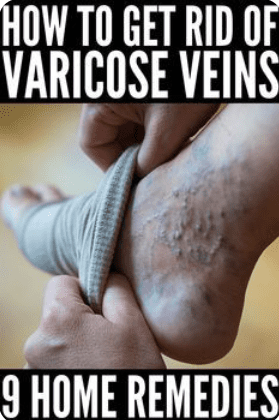
Varicose veins affect millions of people worldwide, causing discomfort, self-consciousness, and in some cases, pain. These swollen, twisted veins that appear just beneath the skin’s surface—most commonly in the legs—don’t just impact your appearance. They can also lead to aching, heaviness, and fatigue in your lower extremities.
While medical treatments exist, many people prefer starting with natural approaches before considering more invasive options. The good news? Several home remedies have shown promising results in managing varicose vein symptoms and potentially improving their appearance over time.
In this comprehensive guide, we’ll explore nine evidence-based home remedies that can help you address varicose veins naturally, along with practical tips for incorporating them into your daily routine.
Table of Contents
Understanding Varicose Veins: What You’re Dealing With
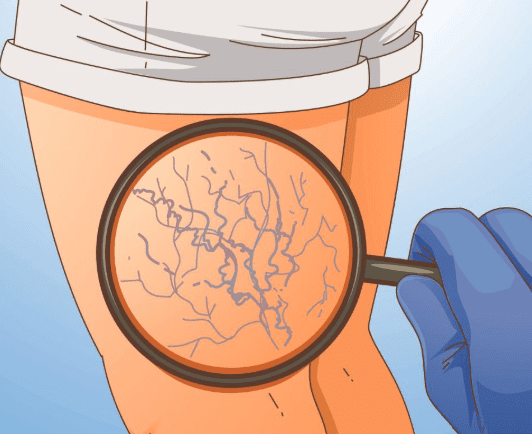
Before diving into remedies, it’s important to understand what causes varicose veins. These enlarged veins develop when the valves inside your veins weaken or become damaged. Normally, these valves prevent blood from flowing backward, but when they fail, blood pools in the veins, causing them to swell and become visible.
Common Risk Factors
Several factors increase your likelihood of developing varicose veins:
- Age (veins lose elasticity over time)
- Genetics and family history
- Pregnancy and hormonal changes
- Prolonged standing or sitting
- Obesity and excess weight
- Lack of physical activity
Understanding these risk factors helps you make lifestyle adjustments that complement the home remedies below.
1. Regular Exercise and Movement
How to Get Rid of Varicose Veins starts with one of the simplest yet most effective strategies: keeping your body moving. Exercise improves circulation, strengthens vein walls, and helps push blood back toward your heart.
Best Exercises for Varicose Veins
Walking: A low-impact activity that activates your calf muscles, which act as a pump to move blood upward. Aim for 30 minutes daily.
Swimming: The water pressure provides natural compression while you exercise, making it ideal for varicose vein management.
Cycling: Whether stationary or outdoor, cycling engages leg muscles without putting excessive strain on your veins.
Leg Elevations: Lie on your back and elevate your legs above heart level for 15 minutes, three to four times daily. This simple practice uses gravity to reduce pooling.
What to Avoid
Skip high-impact activities like running on hard surfaces or heavy weightlifting, which can increase pressure on already compromised veins.
2. Compression Stockings: External Support That Works
Compression stockings aren’t just for post-surgery recovery. These specially designed garments apply graduated pressure to your legs, with the strongest compression at the ankle that gradually decreases toward the knee or thigh.
How They Help
Compression stockings work by:
- Squeezing leg tissues and vein walls to help blood move upward
- Reducing swelling and discomfort
- Preventing blood from pooling in the lower legs
You can purchase compression stockings at most pharmacies without a prescription. For best results, put them on first thing in the morning before swelling develops, and wear them throughout the day.
Choosing the Right Compression Level
Light compression (15-20 mmHg) works well for mild varicose veins and prevention, while moderate compression (20-30 mmHg) better suits those with more pronounced symptoms. Consult with a healthcare provider if you’re unsure which level suits your needs.
3. Elevate Your Legs Throughout the Day
This remedy costs nothing and requires minimal effort, yet it delivers real results. Elevating your legs above heart level several times daily helps counteract gravity’s effect on blood flow.
Practical Implementation
- Prop your legs on pillows while watching television
- Use a footrest at your desk to keep legs elevated while working
- Take short breaks every hour to lie down with elevated legs
- Sleep with a pillow under your feet at night
Even brief elevation periods of 10-15 minutes can provide noticeable relief from the heavy, achy feeling associated with varicose veins.
4. Maintain a Healthy Weight
Excess body weight places additional pressure on your veins, making it harder for them to pump blood efficiently back to your heart. Maintaining a healthy weight significantly reduces this burden.
Weight Management Strategies
Focus on whole foods rich in fiber, which promotes healthy digestion and prevents constipation—a condition that can worsen varicose veins by increasing abdominal pressure.
Include plenty of:
- Fruits and vegetables
- Whole grains
- Lean proteins
- Legumes and beans
Even modest weight loss can improve symptoms and slow the progression of varicose veins.
5. Follow a Vein-Friendly Diet
Certain foods support vein health by reducing inflammation, strengthening vein walls, and improving circulation.
Foods That Support Vein Health
Flavonoid-Rich Foods: These plant compounds improve blood circulation and reduce pressure in veins. Find them in:
- Berries (blueberries, blackberries, strawberries)
- Citrus fruits
- Dark chocolate
- Garlic and onions
- Bell peppers
Potassium-Rich Foods: Potassium helps prevent water retention, which can exacerbate swelling. Good sources include:
- Bananas and avocados
- Sweet potatoes
- Leafy greens
- White beans
Foods High in Vitamin C: This vitamin supports collagen production, which strengthens vein walls. Include:
- Citrus fruits
- Tomatoes
- Broccoli
- Bell peppers
Hydration Matters
Drinking adequate water keeps blood at the proper consistency for optimal circulation. Aim for eight glasses daily, more if you’re physically active.
6. Massage Therapy for Circulation
Gentle massage can improve circulation and reduce the discomfort associated with varicose veins. The key word here is “gentle”—aggressive massage could damage delicate veins.
How to Massage Safely
- Use a natural oil or moisturizer to reduce friction
- Start at your ankles and work upward with gentle, smooth strokes
- Never apply direct pressure to visible varicose veins
- Focus on the surrounding areas instead
- Massage for 10-15 minutes before bed
Consider using essential oils like cypress or grapevine oil, diluted in a carrier oil, which some people find soothing (though scientific evidence on their effectiveness remains limited).
7. Avoid Prolonged Sitting or Standing
Your lifestyle habits significantly impact varicose vein development and symptoms. Both extended sitting and standing periods can worsen the condition by allowing blood to pool in leg veins.
Breaking Up Static Positions
If your job requires long periods of sitting:
- Set a timer to remind yourself to stand every 30 minutes
- Do simple leg exercises at your desk (ankle circles, calf raises)
- Walk during lunch breaks
- Use a standing desk for part of the day
If you stand for work:
- Shift your weight from one leg to another regularly
- Wear supportive, comfortable shoes
- Take sitting breaks when possible
- Do gentle calf stretches throughout the day
8. Choose the Right Clothing and Footwear
What you wear affects circulation more than you might think. Tight clothing, particularly around the waist, groin, and legs, can restrict blood flow and worsen varicose veins.
Clothing Guidelines
- Avoid tight belts and waistbands
- Choose loose-fitting pants when possible
- Skip tight socks with constricting bands
- Opt for comfortable, breathable fabrics
Footwear Considerations
High heels alter your walking mechanics and reduce calf muscle activation, which hampers the natural pumping action that moves blood upward. Low-heeled shoes allow your calf muscles to work more effectively.
However, completely flat shoes aren’t ideal either. A small heel (1-2 inches) provides the best balance for vein health while maintaining comfort.
9. Try Natural Supplements (With Caution)
Several natural supplements have shown potential in supporting vein health, though you should always consult a healthcare provider before starting any supplement regimen.
Promising Supplements
Horse Chestnut Extract: The most researched supplement for varicose veins, containing a compound called aescin that may reduce swelling and discomfort. Typical dosage ranges from 300-600 mg daily.
Grape Seed Extract: Rich in antioxidants called oligomeric proanthocyanidin complexes (OPCs) that may strengthen vein walls and reduce swelling.
Pine Bark Extract: Contains compounds that may improve circulation and reduce leg swelling.
Butcher’s Broom: An herb traditionally used for circulation problems, though scientific evidence remains limited.
Important Safety Notes
Natural doesn’t always mean safe for everyone. These supplements can interact with medications, particularly blood thinners. Never self-prescribe, especially if you’re pregnant, nursing, or have existing health conditions.
When Home Remedies Aren’t Enough
While these home remedies can effectively manage symptoms and potentially slow progression, they won’t eliminate existing varicose veins. Be realistic about your expectations.
Signs You Should See a Doctor
Seek medical attention if you experience:
- Severe pain or swelling in your legs
- Skin changes or ulcers near varicose veins
- Bleeding from varicose veins
- A hardened vein with warmth and tenderness (possible blood clot)
- Varicose veins that significantly impact your quality of life
Modern medical treatments like sclerotherapy, laser therapy, and minimally invasive procedures can effectively treat varicose veins when home remedies prove insufficient.
Creating Your Varicose Vein Management Plan
The most effective approach combines multiple remedies rather than relying on just one. Here’s how to build a comprehensive plan:
Morning: Put on compression stockings before getting out of bed, do 10 minutes of light exercise or stretching.
Throughout the Day: Take movement breaks every hour, elevate legs when possible, stay hydrated, and wear appropriate clothing and shoes.
Evening: Gentle leg massage, leg elevation for 15-20 minutes, light exercise like a walk after dinner.
Ongoing: Maintain a healthy weight, follow a vein-friendly diet, and stay consistent with your exercise routine.
The Bottom Line
How to Get Rid of Varicose Veins through home remedies requires patience, consistency, and realistic expectations. While these natural approaches won’t make existing varicose veins disappear, they can significantly reduce symptoms, prevent worsening, and improve your quality of life.
Start by incorporating one or two remedies that fit easily into your current lifestyle, then gradually add more as they become habits. Many people notice improvement in symptoms within a few weeks of consistent effort.
Remember that varicose veins develop over time, so improvement also takes time. Give these remedies at least eight to twelve weeks before assessing their effectiveness. If symptoms persist or worsen despite your best efforts, don’t hesitate to consult a healthcare provider about additional treatment options.
Your vein health is an investment in your overall wellbeing—and that investment starts with the simple, natural strategies outlined above.
