The fight against pancreatic cancer begins long before diagnosis—it starts in your kitchen, with the choices you make every single day. Among nature’s most powerful protective foods stands a tree so remarkable that it’s been called the “miracle tree” for thousands of years. Moringa: a key to pancreatic cancer prevention is not just a bold claim—it’s a statement backed by emerging research, traditional wisdom, and the extraordinary nutritional profile of this ancient superfood.
Pancreatic cancer remains one of the most aggressive and deadly forms of cancer, with survival rates that haven’t improved significantly in decades. The pancreas, a small organ tucked behind your stomach, plays a crucial role in digestion and blood sugar regulation. When cancer strikes this vital organ, it often goes undetected until advanced stages, making prevention absolutely critical.
This is where moringa enters the conversation—not as a cure, but as a powerful preventive ally. The Moringa oleifera tree, native to the Himalayan foothills of India, has been used in Ayurvedic medicine for over 5,000 years. Today, modern science is catching up to what traditional healers always knew: this nutrient-dense plant contains compounds that may help protect against cancer development, particularly in the pancreas.
Table of Contents
Understanding Pancreatic Cancer: Why Prevention Matters More Than Ever
The Silent Killer: What Makes Pancreatic Cancer So Dangerous
Pancreatic cancer has earned its reputation as one of the deadliest cancers for several sobering reasons. Unlike breast lumps or skin changes that can be detected early, pancreatic tumors develop deep inside the body where they cause few symptoms until they’ve grown significantly or spread to other organs.
The five-year survival rate for pancreatic cancer hovers around 10%, though this varies depending on the stage at diagnosis. By the time most people experience symptoms—such as jaundice, unexplained weight loss, abdominal pain, or digestive changes—the cancer has often already advanced beyond the point where surgical removal is possible.
What makes this disease particularly frustrating is that we still don’t fully understand all the triggers. While risk factors include smoking, obesity, chronic pancreatitis, diabetes, family history, and age over 65, many people diagnosed with pancreatic cancer have none of these traditional risk factors. This uncertainty makes a strong preventive strategy essential for everyone, not just those with obvious risk factors.
Inflammation and Oxidative Stress: The Root Causes
At the cellular level, cancer development is a complex process involving DNA damage, chronic inflammation, and oxidative stress. Think of oxidative stress as “cellular rust”—when free radicals (unstable molecules) damage your cells faster than your body can repair them, it creates an environment where cancer can flourish.
The pancreas is particularly vulnerable to this oxidative damage because of its role in producing digestive enzymes and hormones. Chronic inflammation in the pancreas, whether from poor diet, alcohol consumption, smoking, or underlying conditions, creates a perfect storm for cellular mutations that can eventually become cancerous.
This is precisely where dietary interventions become powerful. By flooding your body with anti-inflammatory and antioxidant-rich foods, you create an internal environment that’s hostile to cancer development. And few foods accomplish this as comprehensively as moringa.
What Makes Moringa a Potential Game-Changer in Cancer Prevention
A Nutritional Powerhouse Unlike Any Other
When scientists analyze moringa leaves, the results are staggering. Gram for gram, moringa contains:
- Seven times more vitamin C than oranges, providing powerful antioxidant protection
- Four times more calcium than milk, supporting cellular communication and structure
- Four times more vitamin A than carrots, crucial for healthy cell differentiation
- Three times more potassium than bananas, important for cellular function
- Two times more protein than yogurt, including all nine essential amino acids
But the real magic lies not just in what moringa contains, but in the unique combination and bioavailability of these nutrients. The leaves are also packed with iron, magnesium, phosphorus, zinc, and B vitamins—all essential for maintaining healthy cellular function and supporting your body’s natural defense mechanisms.
Beyond basic nutrition, moringa contains over 46 different antioxidants and 36 anti-inflammatory compounds. This isn’t just impressive—it’s transformative. Your body uses these compounds as raw materials to fight oxidative stress, reduce inflammation, repair DNA damage, and eliminate abnormal cells before they can become problematic.
The Science Behind Moringa’s Anti-Cancer Properties
Powerful Phytochemicals That Protect Your Cells
The cancer-fighting potential of moringa comes from specific plant compounds that scientists have been studying with increasing interest:
Quercetin: This flavonoid is one of the most abundant antioxidants in moringa leaves. Research has shown that quercetin can inhibit cancer cell proliferation, induce apoptosis (programmed cell death) in abnormal cells, and prevent new blood vessel formation that tumors need to grow. In pancreatic cancer specifically, quercetin has demonstrated the ability to sensitize cancer cells to treatment while protecting healthy cells.
Kaempferol: Another potent flavonoid found in high concentrations in moringa, kaempferol has been linked to reduced cancer risk in multiple population studies. It works by reducing inflammation, neutralizing free radicals, and interfering with the signaling pathways that cancer cells use to survive and multiply.
Chlorogenic Acid: This compound, also found in coffee, has shown promise in regulating blood sugar and reducing inflammation—both critical factors in pancreatic health. Since diabetes and blood sugar dysregulation are linked to increased pancreatic cancer risk, chlorogenic acid’s metabolic benefits offer indirect cancer protection.
Beta-sitosterol: This plant sterol has been studied for its ability to reduce tumor growth and trigger cancer cell death through multiple mechanisms. It also helps regulate immune function, ensuring your body can effectively identify and eliminate abnormal cells.
Niazimicin: A unique compound specific to moringa, niazimicin has demonstrated anti-cancer properties in preliminary studies, though more research is needed to fully understand its mechanisms and potential.
How Moringa Targets Cancer Development Pathways
Cancer doesn’t happen overnight—it’s a multi-step process that typically takes years or even decades. Moringa appears to interfere with this process at multiple stages:
Stage 1 – Initiation: Moringa’s powerful antioxidants neutralize free radicals before they can damage DNA. The vitamins C, E, and A work synergistically to protect cellular genetic material from mutations that could eventually become cancerous.
Stage 2 – Promotion: Once a cell has been damaged, it needs the right environment to grow into a tumor. Moringa’s anti-inflammatory compounds help create an environment where damaged cells are less likely to receive the growth signals they need to proliferate.
Stage 3 – Progression: Even if abnormal cells begin to multiply, moringa compounds can trigger apoptosis—essentially forcing these cells to self-destruct before they form tumors. Additionally, moringa’s anti-angiogenic properties prevent tumors from developing the blood supply they need to grow larger.
Specific Research on Moringa and Pancreatic Cancer
While research specifically on moringa and pancreatic cancer is still emerging, several studies have shown promising results:
A 2018 study published in the journal Biomedicine & Pharmacotherapy found that moringa leaf extract induced apoptosis in human pancreatic cancer cells while leaving healthy cells unharmed. The researchers noted that moringa’s effects were dose-dependent, meaning higher concentrations showed stronger anti-cancer activity.
Another study examining moringa’s effects on various cancer cell lines, including pancreatic cancer, found that the plant’s isothiocyanates (sulfur-containing compounds similar to those in broccoli) were particularly effective at stopping cancer cell growth and triggering cell death.
Research from the Asian Pacific Journal of Cancer Prevention demonstrated that moringa extract could inhibit the proliferation of pancreatic cancer cells by up to 70% in laboratory settings. While laboratory studies don’t always translate directly to human benefits, these findings provide strong justification for including moringa as part of a cancer-preventive dietary strategy.
How to Incorporate Moringa Into Your Daily Routine for Maximum Protection
Choosing Quality Moringa Products
Not all moringa products are created equal, and quality matters significantly when you’re relying on this plant for health benefits. Here’s what to look for:
Organic certification: Moringa should be grown without pesticides or chemical fertilizers, which can compromise its nutrient profile and introduce harmful substances.
Pure leaf powder: The most nutritious form is pure, dried moringa leaf powder with no fillers, additives, or preservatives. Check the ingredient list—it should say only “moringa oleifera leaf powder” or “organic moringa powder.”
Proper processing: Moringa should be dried at low temperatures (below 118°F) to preserve heat-sensitive nutrients and enzymes. Look for products that specify “shade-dried” or “low-temperature processed.”
Color and smell: High-quality moringa powder should be vibrant green (not brown or olive), with a fresh, slightly grassy aroma. Brown discoloration indicates oxidation and nutrient loss.
Ethical sourcing: Choose brands that practice fair trade and sustainable harvesting, ensuring the long-term availability of this valuable resource while supporting farming communities.
Effective Daily Dosages for Cancer Prevention
Based on traditional use and emerging research, here are recommended daily amounts:
For general prevention: 1-2 teaspoons (approximately 2-4 grams) of moringa leaf powder daily provides substantial antioxidant and anti-inflammatory benefits without overwhelming your system.
For those at higher risk: Individuals with risk factors for pancreatic cancer (family history, chronic pancreatitis, diabetes, or smoking history) might benefit from 2-3 teaspoons (4-6 grams) daily, divided into two or three doses.
Capsule equivalent: If using moringa capsules, this typically translates to 2-6 capsules daily, depending on capsule size (usually 500-1000mg each). Always follow the manufacturer’s recommendations as a starting point.
Building tolerance: Start with smaller amounts (½ teaspoon) and gradually increase over 1-2 weeks. This allows your digestive system to adjust and helps you identify any sensitivity or reactions.
Delicious and Simple Ways to Use Moringa Daily
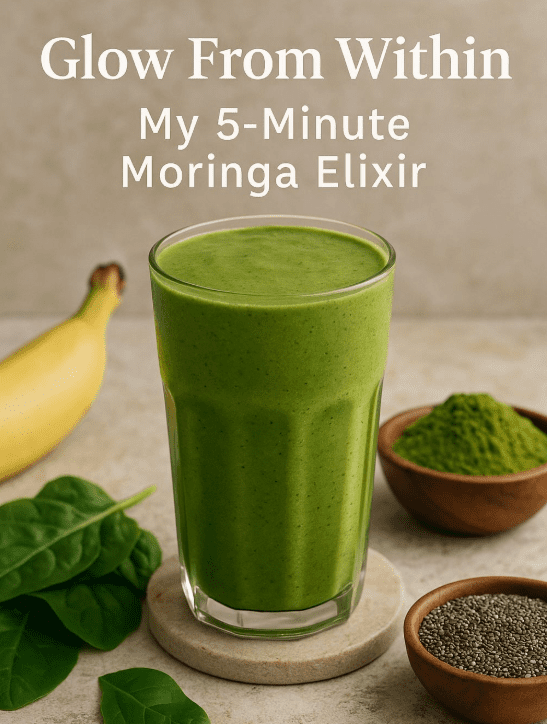
Morning Moringa Smoothie
Start your day with cancer-fighting nutrition by blending:
- 1 banana (for potassium and natural sweetness)
- 1 cup spinach or kale (additional anti-cancer greens)
- 1 teaspoon moringa powder (your key protective ingredient)
- ½ cup frozen berries (more antioxidants)
- 1 tablespoon almond butter (healthy fats for nutrient absorption)
- 1 cup unsweetened almond milk or coconut water
- Optional: ½ teaspoon fresh ginger for additional anti-inflammatory benefits
This smoothie masks moringa’s earthy flavor while delivering a concentrated dose of cancer-preventive compounds.
Moringa Tea Ritual
Create a calming wellness ritual with moringa tea:
- Steep 1 teaspoon moringa powder in hot (not boiling) water for 3-5 minutes
- Add a squeeze of lemon (vitamin C enhances nutrient absorption)
- Sweeten with raw honey if desired
- Drink 1-2 cups daily, preferably between meals
The gentle heat extracts moringa’s beneficial compounds without destroying heat-sensitive nutrients.
Soup and Stew Enhancement
Boost any soup, stew, or curry by stirring in ½-1 teaspoon of moringa powder during the last few minutes of cooking. The savory flavors naturally complement moringa’s taste, and you’ll barely notice it’s there while reaping all the benefits.
Moringa Energy Balls
Create portable, cancer-fighting snacks:
- 1 cup dates, pitted and soaked
- ½ cup almonds or walnuts
- 2 tablespoons moringa powder
- 2 tablespoons cocoa powder (more antioxidants!)
- 1 tablespoon coconut oil
- Pinch of sea salt
Blend until sticky, roll into balls, and refrigerate. These make perfect pre- or post-workout snacks or healthy dessert alternatives.
Simple Sprinkle Method
The easiest method of all: simply sprinkle ½ teaspoon of moringa powder over:
- Avocado toast
- Salads (mixed into dressing works well)
- Hummus or guacamole
- Oatmeal or yogurt
- Pasta dishes
- Rice or quinoa bowls
This approach requires zero extra effort while adding significant nutritional value to foods you already eat.
Beyond Moringa: A Comprehensive Pancreatic Cancer Prevention Strategy
The Anti-Cancer Lifestyle: Essential Supporting Habits
While moringa is a powerful addition to your preventive arsenal, it works best as part of a comprehensive approach:
Dietary Foundations
Cruciferous vegetables: Broccoli, cauliflower, Brussels sprouts, and cabbage contain sulforaphane and other compounds that specifically protect against pancreatic cancer. Aim for at least one serving daily.
Colorful produce: Eat a rainbow of fruits and vegetables to provide diverse antioxidants and phytonutrients. Each color represents different protective compounds—variety is key.
Healthy fats: Omega-3 fatty acids from sources like wild-caught fish, flaxseeds, chia seeds, and walnuts reduce inflammation throughout the body, including in the pancreas.
Limit processed foods: Ultra-processed foods, refined sugars, and unhealthy fats create inflammation and insulin resistance—both risk factors for pancreatic cancer.
Moderate protein: Choose high-quality protein sources like legumes, fish, organic poultry, and grass-fed meats. Avoid excessive red meat and processed meats, which have been linked to increased cancer risk.
Lifestyle Factors That Matter
Maintain healthy weight: Obesity significantly increases pancreatic cancer risk. Focus on sustainable, gradual weight loss through balanced eating and regular physical activity rather than extreme dieting.
Regular exercise: Aim for at least 150 minutes of moderate exercise weekly. Physical activity reduces inflammation, improves insulin sensitivity, and helps maintain healthy weight—all protective factors.
Quit smoking: Smoking is one of the strongest modifiable risk factors for pancreatic cancer, roughly doubling your risk. Quitting at any age provides immediate and long-term benefits.
Limit alcohol: Excessive alcohol consumption can lead to chronic pancreatitis, a significant risk factor for pancreatic cancer. If you drink, do so in moderation or consider eliminating alcohol entirely.
Manage stress: Chronic stress promotes inflammation and weakens immune function. Incorporate stress-management practices like meditation, yoga, deep breathing, or time in nature.
Prioritize sleep: Poor sleep disrupts hormones, weakens immunity, and increases inflammation. Aim for 7-9 hours of quality sleep nightly.
Important Blood Sugar Management
The connection between diabetes, insulin resistance, and pancreatic cancer risk is well-established. In fact, diabetes is both a risk factor for and an early symptom of pancreatic cancer. This makes blood sugar management critical:
- Choose low-glycemic foods that don’t spike blood sugar
- Include protein and healthy fats with carbohydrates to slow absorption
- Practice intermittent fasting if appropriate for your health status
- Monitor blood sugar if you’re at risk for diabetes
- Moringa itself helps regulate blood sugar, making it doubly valuable
Regular Screening for High-Risk Individuals
If you have a strong family history of pancreatic cancer (especially two or more first-degree relatives) or carry genetic mutations associated with increased risk (BRCA2, PALB2, Lynch syndrome, or others), talk to your doctor about:
- Genetic counseling and testing
- Regular imaging studies (MRI or endoscopic ultrasound)
- Enrollment in pancreatic cancer surveillance programs
- Specialized cancer center evaluation
Early detection in high-risk individuals is one of the few scenarios where pancreatic cancer can be caught at a curable stage.
Safety Considerations and Potential Interactions
Who Should Exercise Caution With Moringa
While moringa is generally considered safe for most people, certain individuals should consult healthcare providers before adding medicinal amounts to their routine:
Pregnant and breastfeeding women: Moringa root, bark, and flowers may cause uterine contractions and should be avoided during pregnancy. Moringa leaves are generally considered safe in food amounts, but discuss larger quantities with your healthcare provider.
People taking medications: Moringa may interact with several medication classes:
- Diabetes medications: Moringa lowers blood sugar, potentially causing hypoglycemia when combined with diabetes drugs
- Blood pressure medications: Moringa has blood pressure-lowering effects that could enhance medication effects
- Thyroid medications: Moringa may affect thyroid function
- Blood thinners: Though rare, there’s potential for interaction with anticoagulants
Individuals with autoimmune conditions: Because moringa stimulates immune function, those with autoimmune diseases should discuss use with their doctor.
Those with low blood pressure: Moringa’s blood pressure-lowering effects could cause problems for people with already low blood pressure.
Possible Side Effects and How to Minimize Them
Most people tolerate moringa well, but some experience:
Digestive upset: Starting with too much moringa can cause loose stools, nausea, or stomach discomfort. Begin with small amounts and increase gradually.
Insomnia: Some people find moringa energizing. If this happens to you, avoid taking it in the evening.
Bitter taste: Moringa has an earthy, slightly bitter flavor some find unpleasant. Mixing it into smoothies or foods masks the taste.
To minimize side effects:
- Start with ¼-½ teaspoon daily and increase slowly
- Take with food rather than on an empty stomach
- Stay well-hydrated throughout the day
- Choose high-quality, pure products
- Listen to your body and adjust accordingly
The Future of Moringa in Cancer Research and Treatment
Ongoing Studies and Promising Directions
The scientific community’s interest in moringa continues to grow, with research institutions around the world investigating its potential applications:
Clinical trials: Several clinical trials are underway examining moringa’s effects on various health conditions, including cancer prevention, diabetes management, and inflammation reduction. While results specific to pancreatic cancer prevention in humans are still forthcoming, preliminary findings continue to support moringa’s protective potential.
Mechanism studies: Researchers are working to understand exactly how moringa’s compounds interact with cellular processes to prevent cancer development. This knowledge could lead to more targeted applications or even isolated compounds for medical use.
Combination approaches: Studies are exploring how moringa might enhance the effectiveness of conventional cancer treatments while reducing side effects—a concept known as integrative oncology.
Global health applications: In regions where pancreatic cancer rates are rising (particularly developing countries experiencing dietary Westernization), moringa presents an affordable, locally-available preventive intervention.
Why Traditional Foods Matter in Modern Medicine
Moringa represents a broader truth that modern medicine is increasingly acknowledging: traditional foods used for millennia often contain compounds that science is only beginning to understand and appreciate. Rather than viewing prevention as requiring expensive supplements or interventions, we can look to time-tested plants like moringa that offer multiple health benefits simultaneously.
The “miracle tree” moniker isn’t just marketing—it reflects moringa’s remarkable ability to address multiple aspects of health through dense nutrition and powerful phytochemicals. While we await more definitive research specifically on moringa and pancreatic cancer prevention, the existing evidence provides compelling reasons to make this ancient superfood part of your modern wellness strategy.
Taking Action: Your Pancreatic Cancer Prevention Plan Starting Today
Prevention isn’t about perfection—it’s about consistent, sustainable choices that reduce risk over time. Here’s how to begin your journey with moringa as a central component:
Week 1: Purchase high-quality organic moringa powder and start with ¼ teaspoon daily in a smoothie or tea. Observe how your body responds.
Week 2: Increase to ½ teaspoon twice daily if you’re tolerating it well. Experiment with different delivery methods to find what works best for your lifestyle.
Week 3: Settle into your optimal dose (1-2 teaspoons daily) and make it a non-negotiable part of your routine, like brushing your teeth.
Week 4: Evaluate the other aspects of your lifestyle—diet, exercise, stress, sleep—and identify one additional change to support your cancer prevention goals.
Month 2 and beyond: Continue your moringa routine while gradually building other healthy habits. Remember, consistency matters more than intensity.
Conclusion: Empowerment Through Prevention
Moringa: a key to pancreatic cancer prevention isn’t just a statement about a plant—it’s an invitation to take control of your health through informed, proactive choices. While we can’t eliminate all cancer risk, we can significantly reduce it through dietary and lifestyle interventions that support our body’s natural defense mechanisms.
Pancreatic cancer’s devastating nature makes prevention not just desirable but essential. Unlike many health interventions that require significant investment or lifestyle disruption, adding moringa to your daily routine is simple, affordable, and comes with virtually no downside while offering profound potential benefits.
This remarkable plant offers a bridge between ancient wisdom and modern science, traditional medicine and evidence-based nutrition. As research continues to uncover the mechanisms behind moringa’s protective effects, one thing remains clear: few foods offer such concentrated nutritional and medicinal value in such a simple, accessible form.
Your health is your most valuable asset, and protecting it starts with the choices you make today. Whether you’re actively concerned about pancreatic cancer risk due to family history or simply want to optimize your health and longevity, moringa deserves a place in your daily wellness routine.
Start where you are, use what you have, do what you can. And let moringa be one of the powerful tools you use to build a healthier, more resilient future—one teaspoon at a time.
Disclaimer: This article is for informational purposes only and is not intended as medical advice. Moringa should not be considered a treatment for pancreatic cancer or any other disease. If you have concerns about pancreatic cancer risk, symptoms, or diagnosis, please consult with qualified healthcare professionals. Never delay seeking medical advice or disregard professional medical advice because of information in this article.
