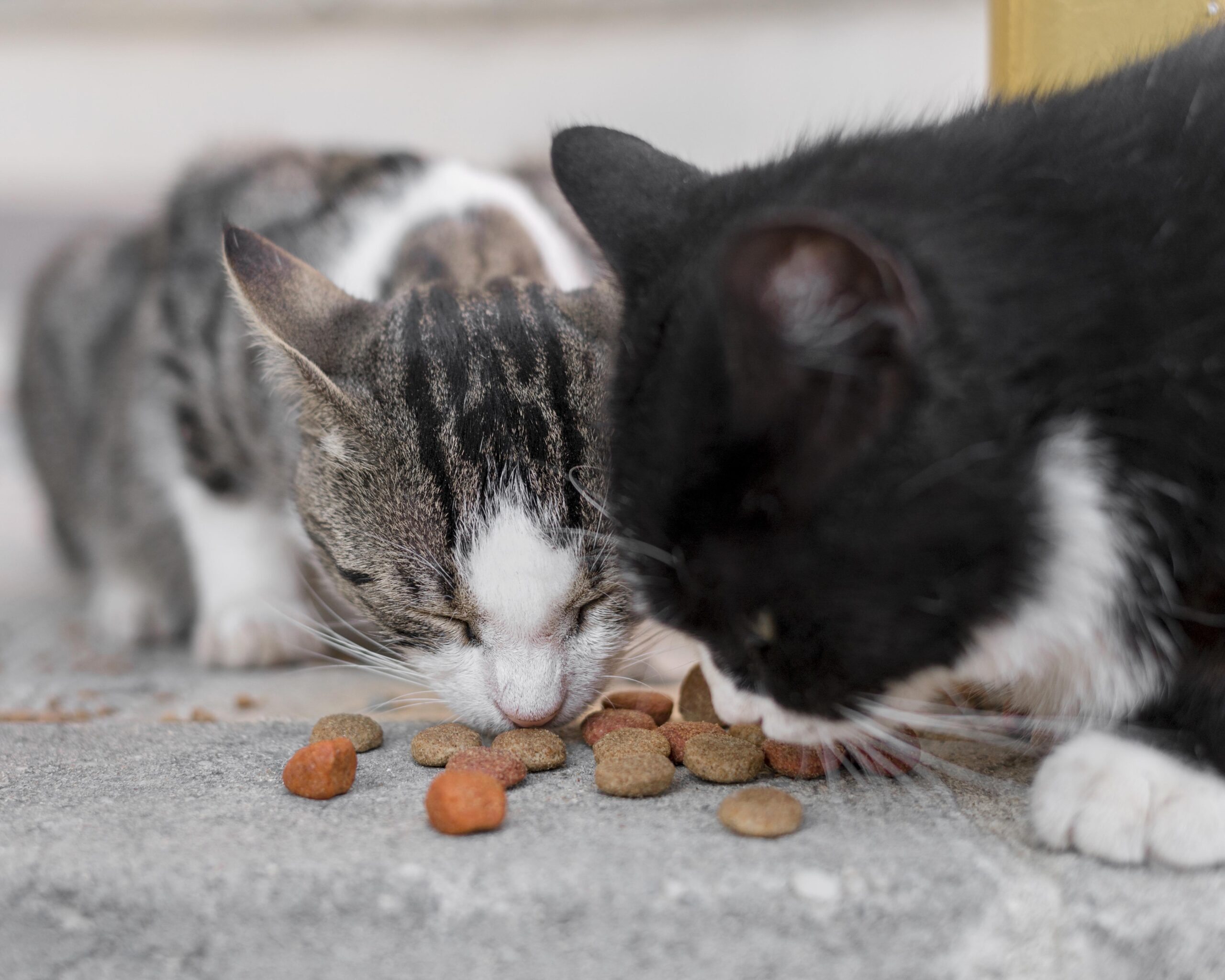
Common foods that are actually poisonous to cats are hiding in plain sight throughout your kitchen, and many cat owners have no idea they’re putting their feline friends at risk. That innocent snack you’re eating right now could be seriously dangerous for your curious kitty. As a responsible pet parent, understanding which everyday foods pose serious health threats to cats isn’t just helpful—it’s essential for keeping your furry companion safe and healthy.
Let’s dive into the foods you need to keep far away from your cat’s reach, along with why they’re dangerous and what symptoms to watch for if accidental ingestion occurs.
Table of Contents
H2: Why Cats React Differently to Human Foods
Before we explore the specific dangers lurking in your pantry, it’s important to understand why cats can’t process certain foods the way humans can. Cats are obligate carnivores, meaning their bodies are designed to derive nutrition primarily from meat. Their liver and digestive system lack certain enzymes that humans and even dogs possess, making them unable to break down specific compounds found in common foods.
This biological difference means that foods perfectly safe for you could trigger anything from mild stomach upset to life-threatening organ failure in your cat. The severity often depends on the amount consumed, the size of your cat, and their individual sensitivity.
H2: Alliums – The Hidden Danger in Your Kitchen
H3: Onions, Garlic, and Their Relatives
Here’s something that surprises most cat owners: onions and garlic are among the most dangerous common foods for cats. Whether raw, cooked, powdered, or dehydrated, all forms of alliums (including leeks, chives, and shallots) contain compounds called organosulfides that damage feline red blood cells.
This damage leads to a condition called Heinz body anemia, where red blood cells become fragile and burst. Even small amounts consumed regularly can cause cumulative toxicity. A single meal containing onion or garlic powder might not show immediate symptoms, but the effects build up over time.
Symptoms to watch for include:
- Lethargy and weakness
- Reduced appetite
- Pale gums
- Orange to dark red urine
- Increased heart rate
- Difficulty breathing
The scary part? Symptoms might not appear until several days after consumption, making it harder to connect the dots.
H2: Chocolate – Not Just a Dog Problem
Most people know chocolate is dangerous for dogs, but fewer realize it’s equally toxic to cats. The culprits are theobromine and caffeine, both methylxanthines that cats cannot metabolize efficiently.
Dark chocolate and baking chocolate contain the highest concentrations of theobromine, making them the most dangerous varieties. However, milk chocolate, white chocolate, and even chocolate-flavored foods can still cause problems depending on the amount consumed.
H3: What Happens When Cats Eat Chocolate
Chocolate poisoning in cats can cause:
- Vomiting and diarrhea
- Increased thirst and urination
- Restlessness and hyperactivity
- Rapid breathing
- Elevated heart rate
- Muscle tremors
- Seizures in severe cases
Fortunately, most cats aren’t naturally attracted to chocolate the way dogs are. However, curious kittens or cats who enjoy licking bowls and plates could accidentally ingest dangerous amounts.
H2: Caffeine in All Its Forms
Your morning coffee, afternoon tea, energy drinks, and even some sodas contain caffeine that’s toxic to cats. Like chocolate, caffeine is a methylxanthine that overstimulates a cat’s nervous system and heart.
There’s no safe amount of caffeine for cats. Even lapping up spilled coffee or tea from a counter can cause problems. Coffee grounds and used tea bags are particularly concentrated sources that curious cats might investigate.
The symptoms mirror chocolate toxicity and can appear within 30 minutes to several hours after ingestion. Always keep caffeinated beverages securely covered and dispose of grounds and tea bags where your cat can’t access them.
H2: Grapes and Raisins – Mysterious but Dangerous
While the exact toxic compound in grapes and raisins remains unknown, veterinary science has clearly established that these fruits can cause kidney failure in cats and dogs. The puzzling aspect is that toxicity seems unpredictable—some cats might eat a grape with no apparent effect, while others develop serious complications from minimal exposure.
Because we can’t predict which cats will have severe reactions, the safest approach is complete avoidance. This includes grape juice, trail mix with raisins, and baked goods containing these fruits.
H3: Early Warning Signs
Kidney problems from grape or raisin ingestion typically show up as:
- Vomiting within the first few hours
- Decreased appetite
- Lethargy
- Abdominal pain
- Decreased urination or complete lack of urination
- Bad breath with an ammonia-like smell
If you suspect your cat consumed grapes or raisins, contact your veterinarian immediately, even if symptoms haven’t appeared yet.
H2: Dairy Products – The Surprising Truth
Wait, don’t cats love milk? While cartoons and popular culture have convinced us that milk is the perfect cat treat, most adult cats are actually lactose intolerant. They lack sufficient amounts of lactase, the enzyme needed to digest lactose in dairy products.
H3: Why Dairy Causes Problems
While not technically poisonous in the same way as onions or chocolate, dairy products can cause significant digestive distress including:
- Diarrhea
- Stomach cramps
- Gas and bloating
- Vomiting
Cheese, ice cream, yogurt, and other dairy products can all trigger these symptoms. The higher the lactose content, the more severe the reaction tends to be.
H2: Alcohol – Never Funny, Always Dangerous
Even tiny amounts of alcohol can be life-threatening to cats. Their small body size and inability to metabolize alcohol make them extremely vulnerable to alcohol poisoning. This applies to all alcoholic beverages, foods cooked with alcohol, and even products containing alcohol like vanilla extract or rum-soaked cakes.
Alcohol poisoning can cause:
- Disorientation and confusion
- Vomiting
- Difficulty breathing
- Tremors
- Coma
- Death in severe cases
Never offer alcohol to your cat as a joke, and be vigilant about securing drinks at parties where curious cats might investigate unattended glasses.
H2: Raw Dough – The Rising Threat
Unbaked bread dough containing yeast poses a double danger to cats. First, the warm, moist environment of a cat’s stomach provides ideal conditions for the yeast to continue fermenting and producing alcohol, leading to alcohol poisoning.
Second, the dough continues to rise inside the stomach, causing painful bloating, gastric distension, and potentially life-threatening complications like gastric dilatation-volvulus (bloat) or stomach rupture.
H3: Baking Day Safety Tips
If you’re baking bread, pizza, or other yeast-based goods:
- Keep rising dough in closed areas away from cats
- Don’t leave dough unattended on counters
- Dispose of unused dough in sealed trash bags
- Clean up any dropped dough immediately
H2: Xylitol – The Artificial Sweetener Assassin
This sugar substitute found in sugar-free gum, candy, baked goods, toothpaste, and some peanut butters is extremely toxic to cats. Xylitol causes a rapid insulin release, leading to hypoglycemia (dangerously low blood sugar). It can also cause liver failure.
Products containing xylitol are becoming increasingly common, so always check ingredient labels before sharing any human food with your cat. Symptoms can appear within 30 minutes and include:
- Weakness and lethargy
- Vomiting
- Tremors
- Seizures
- Collapse
H2: Raw Fish and Eggs – Nutritional Sabotage
While cats are carnivores, raw fish and eggs present specific problems. Raw fish contains an enzyme called thiaminase that breaks down thiamine (vitamin B1), an essential nutrient for cats. Regular consumption of raw fish can lead to thiamine deficiency, causing neurological problems.
Raw eggs contain avidin, a protein that binds biotin (vitamin B7) and prevents its absorption. Additionally, raw eggs and fish carry the risk of bacterial contamination with Salmonella or E. coli.
Cooking eliminates these problematic enzymes and reduces bacterial risks, making cooked fish and eggs much safer options in moderation.
H2: Bones and Fat Trimmings
Cooked bones can splinter and cause choking, intestinal blockages, or perforations. Chicken and turkey bones are particularly dangerous. While raw bones are somewhat safer, they still carry risks and should only be given under specific circumstances with veterinary guidance.
Fat trimmings from meat, while not technically poisonous, can trigger pancreatitis in cats—a painful and potentially serious inflammation of the pancreas. Symptoms include vomiting, abdominal pain, and loss of appetite.
H2: Certain Nuts Can Cause Problems
Macadamia nuts are toxic to cats, causing weakness, vomiting, tremors, and hyperthermia. While other nuts aren’t necessarily toxic, they pose choking hazards and are high in fats that cats’ digestive systems aren’t designed to handle efficiently.
Walnuts and pecans can develop mold that produces tremorgenic mycotoxins, leading to seizures and neurological symptoms. The high-fat content in all nuts can also contribute to obesity and pancreatitis in cats.
H2: What to Do If Your Cat Eats Something Dangerous
Time is critical when dealing with potential poisoning. Here’s your action plan:
H3: Immediate Steps
- Don’t panic, but act quickly – Your calm response helps you think clearly
- Remove the source – Get the toxic food away from your cat immediately
- Identify what was consumed – Note the substance, approximate amount, and time of ingestion
- Contact your veterinarian – Call immediately, even outside regular hours
- Don’t induce vomiting unless specifically instructed by a veterinarian
H3: Information to Have Ready
When calling your vet or poison control, be prepared to provide:
- Your cat’s weight and age
- The specific food consumed
- Estimated amount eaten
- Time since ingestion
- Symptoms currently displayed
The ASPCA Animal Poison Control Center (888-426-4435) offers 24/7 assistance, though a consultation fee may apply.
H2: Creating a Cat-Safe Kitchen
Prevention is always better than treatment. Here’s how to make your kitchen safer:
Storage Solutions:
- Use sealed containers for all human foods
- Keep trash cans with locking lids or in secured cabinets
- Store toxic foods in upper cabinets or the refrigerator
Habit Changes:
- Never leave food unattended on counters or tables
- Clean up spills immediately
- Dispose of food scraps promptly and securely
- Don’t feed cats from your plate
Education:
- Inform all family members and visitors about cat-toxic foods
- Keep a list of dangerous foods posted on your refrigerator
- Train children never to share their snacks with pets
H2: Safe Treat Alternatives for Your Cat
Instead of sharing your human food, try these cat-safe options:
- Plain cooked chicken or turkey (no bones, seasoning, or skin)
- Small amounts of cooked fish like salmon or tuna
- Commercial cat treats specifically formulated for felines
- Catnip or cat grass for variety
- Freeze-dried meat treats
Remember that treats should make up no more than 10% of your cat’s daily caloric intake to maintain nutritional balance.
H2: Understanding Your Cat’s Natural Curiosity
Cats are naturally curious creatures, and their investigation of your food isn’t personal. They’re drawn by smell, movement, and the attention you give to your meals. Understanding this helps you implement better prevention strategies rather than getting frustrated with normal feline behavior.
Some cats are more food-motivated than others. If you have a particularly persistent food thief, consider feeding them before your own meals, providing puzzle feeders for mental stimulation, or creating a separate space during human mealtimes.
Final Thoughts on Keeping Your Cat Safe
Common foods that are actually poisonous to cats represent a real and present danger in most households, but armed with knowledge and commitment to safety practices, you can protect your feline companion from accidental poisoning. The foods we’ve covered—from onions and chocolate to grapes and xylitol—are just the beginning of potential dangers, but they represent the most common culprits in feline poisoning cases.
Your cat depends on you to make safe choices on their behalf. When in doubt, stick to cat-specific foods and treats, and never assume that safe for humans equals safe for cats. That few seconds of pleasure from a dangerous snack isn’t worth the potential veterinary emergency or tragic outcome.
Keep your veterinarian’s contact information easily accessible, bookmark the ASPCA Poison Control number, and stay informed about emerging dangers as new food products enter the market. Your vigilance today ensures many more happy, healthy years with your beloved cat tomorrow.
