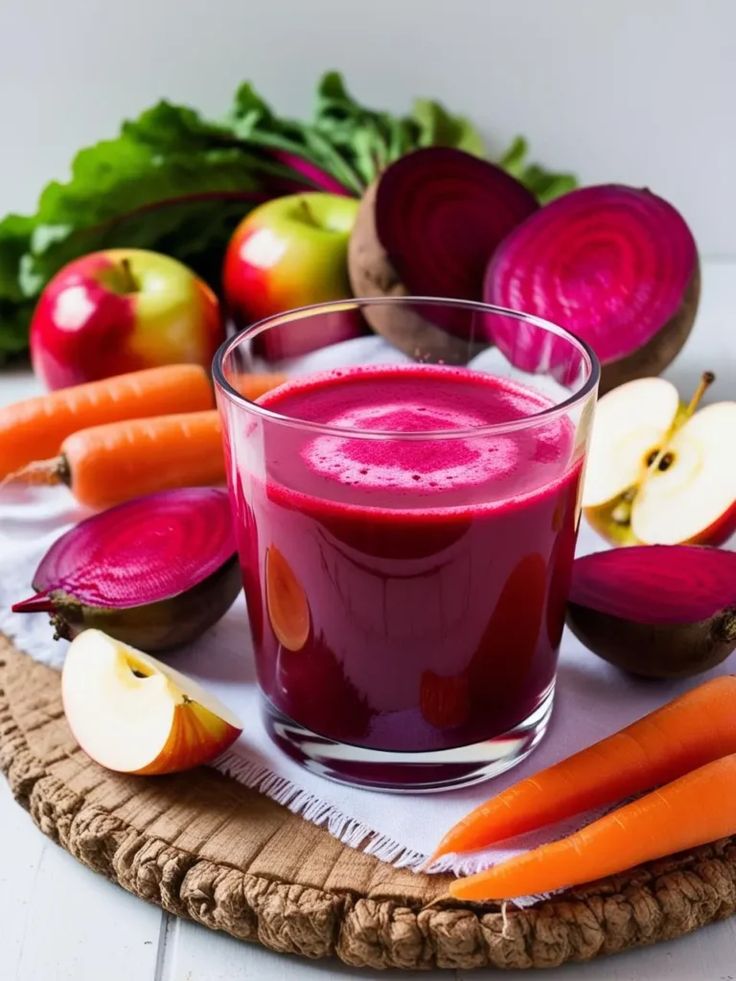
Imagine starting your morning with a vibrant glass of liquid energy that tastes like nature’s candy while flooding your body with nutrients. The revitalizing juice made from beet, apple and carrot isn’t just another trendy health drink—it’s a time-tested combination that wellness enthusiasts and nutritionists have praised for decades.
This stunning ruby-red beverage has earned its reputation as a powerhouse elixir, and once you understand what it can do for your body, you’ll wonder why you haven’t been drinking it all along. Let me walk you through everything you need to know about this incredible juice blend.
Table of Contents
Why This Triple Threat Works So Well Together
There’s something almost magical about how beets, apples, and carrots complement each other. When I first tried this combination years ago, I was skeptical. Could three simple ingredients really make that much difference? The answer surprised me.
Each ingredient brings its own unique strengths to the table. Beets deliver earthy depth and circulation-boosting compounds. Apples provide natural sweetness and pectin for digestive health. Carrots contribute beta-carotene and a subtle sweetness that balances the earthiness of beets. Together, they create a flavor profile that’s neither too sweet nor too earthy—just perfectly balanced.
The Science Behind the Synergy
What makes this trio particularly special is how they work together at a nutritional level. The natural sugars in apples help your body absorb the iron from beets more efficiently. Meanwhile, the vitamin A precursors in carrots combine with the folate in beets to support cellular health. It’s like they were designed to work as a team.
Health Benefits That’ll Make You Reach for Your Juicer
Let’s talk about what this revitalizing juice actually does for your body. I’m not going to promise miracles, but the research-backed benefits are genuinely impressive.
Cardiovascular Support
Beets contain natural nitrates that your body converts into nitric oxide. This compound helps relax and dilate blood vessels, which can support healthy blood pressure levels. Some studies have shown that drinking beet juice regularly may contribute to improved cardiovascular function. Combined with the antioxidants from apples and carrots, you’re giving your heart some serious love.
Radiant Skin from Within
If you’ve been spending a fortune on skincare products, you might want to redirect some of that budget toward your juicer. The beta-carotene in carrots converts to vitamin A in your body, supporting skin cell turnover and repair. The vitamin C from apples aids collagen production. And beets? They help purify your blood, which often shows up as clearer, more vibrant skin.
Natural Energy Without the Crash
Forget those sugar-loaded energy drinks. This juice provides sustained energy through natural sugars, iron, and B vitamins. The difference is remarkable—you get an energy lift without the jittery feeling or the inevitable crash that comes with caffeine or processed sugars.
Digestive Wellness
The fiber from these vegetables (even in juice form, some remains) combined with the pectin in apples creates a gentle support system for your digestive tract. Beets also contain betaine, which supports healthy digestion and liver function.
Eye Health Protection
Carrots have long been associated with eye health, and for good reason. They’re loaded with lutein and beta-carotene, both crucial for maintaining healthy vision. Regular consumption may help protect against age-related eye concerns.
The Perfect Recipe: How to Make Your Revitalizing Juice
Ingredients You’ll Need
- 1 medium beetroot (about 150g), scrubbed clean and trimmed
- 2 medium apples (about 300g total), preferably organic
- 3 large carrots (about 300g), scrubbed or peeled
- 1/2 lemon (optional, but recommended for brightness)
- 1-inch piece of fresh ginger (optional, for added zing)
Step-by-Step Preparation
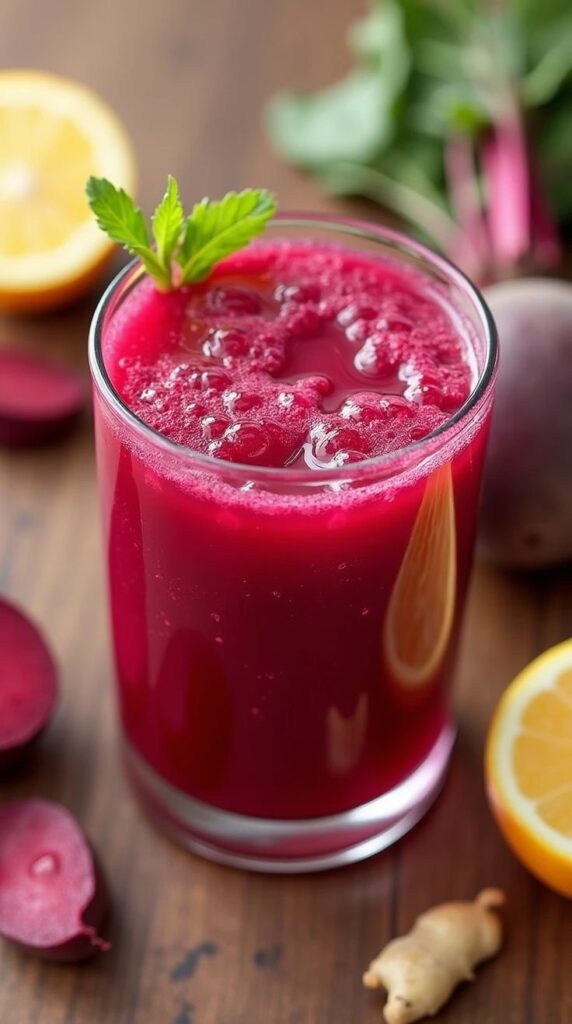
Preparation Tips
Start by washing all your produce thoroughly. If you’re using organic vegetables, you can leave the skins on—that’s where many nutrients hide. For conventionally grown produce, peeling might be preferable to reduce pesticide exposure.
Cut everything into pieces that fit your juicer’s feed chute. Most juicers handle chunks pretty well, but smaller pieces mean less strain on your machine.
Juicing Process
Here’s my recommended order for juicing: Start with the carrots, as they’re firm and will help push through the softer ingredients. Follow with the apples, then the beet. If you’re adding ginger, juice it between the apples and beet. Finish with the lemon half to help extract every last drop from the previous ingredients.
This order isn’t arbitrary—it maximizes juice yield and keeps your juicer running smoothly.
Serving Suggestions
Pour your freshly made juice over ice if you prefer it cold, or drink it at room temperature to maximize nutrient absorption. Some people swear by drinking it immediately, and there’s wisdom in that—fresh juice begins oxidizing the moment it’s exposed to air.
If you need to store it, use an airtight glass container and consume within 24 hours. Fill the container to the brim to minimize oxygen exposure.
When and How Often Should You Drink It?
Timing matters when it comes to getting the most from your revitalizing juice. I’ve experimented with different schedules, and here’s what I’ve found works best.
Morning Magic
Drinking this juice first thing in the morning, about 20-30 minutes before breakfast, allows your body to absorb nutrients efficiently. Your system is primed to soak up everything good after an overnight fast. Plus, it kick-starts your metabolism and provides energy for the day ahead.
Pre-Workout Power
The natural nitrates from beets can support athletic performance by improving oxygen delivery to muscles. Having this juice about an hour before exercise might give you an extra edge during your workout.
Frequency Guidelines
For most people, drinking this juice 3-5 times per week offers solid benefits without overdoing it. Daily consumption is generally safe for healthy adults, but it’s worth noting that beets can temporarily give your urine and stool a reddish tint—completely harmless, but don’t be alarmed!
Important Considerations and Potential Concerns
While this revitalizing juice is incredibly healthy for most people, a few considerations are worth mentioning.
Blood Sugar Awareness
This juice contains natural sugars from the fruits and vegetables. If you have diabetes or are monitoring blood sugar, you might want to check with your healthcare provider first. Consider pairing the juice with a small handful of nuts or seeds to slow sugar absorption.
Kidney Stone Considerations
Beets are high in oxalates, which can contribute to kidney stones in susceptible individuals. If you have a history of calcium oxalate kidney stones, moderate your intake or consult with your doctor.
Medication Interactions
The nitrates in beets can interact with certain medications, particularly those for blood pressure. The vitamin K in leafy greens (if you add any) can affect blood thinners. Always discuss dietary changes with your healthcare provider if you’re on medication.
Beeturia is Normal
As mentioned earlier, beets can temporarily change the color of your urine or bowel movements to pink or red. This condition, called beeturia, affects about 10-14% of people and is completely harmless. It’s actually a sign that you’re absorbing the beneficial compounds from beets.
Customizing Your Juice Experience
Once you’ve mastered the basic recipe, feel free to experiment. The beauty of homemade juice is that you control exactly what goes in.
Flavor Variations
Add a handful of fresh mint for a cooling effect. Throw in some cucumber for extra hydration and a milder flavor. A small piece of turmeric root brings anti-inflammatory properties and a warm, earthy note. Fresh orange segments instead of lemon create a sweeter, more citrusy profile.
Texture Adjustments
If you find the juice too thick, add a splash of coconut water or filtered water. Too thin? Reduce the apple content slightly or blend in a portion of the pulp for more body.
Intensity Control
New to beet juice? Start with half a beet and gradually increase as you get used to the flavor. Some people love the earthy taste immediately; others need time to develop a taste for it. There’s no rush—let your palate adjust at its own pace.
Juicer vs. Blender: Which Method is Better?
This question comes up constantly, and the truth is both methods have merit.
The Juicer Approach
A juicer extracts liquid while removing fiber, creating a smooth, easily digestible beverage that’s quickly absorbed. You can consume more vegetables in one sitting this way, and the light texture makes it refreshing. The downside? You lose fiber and some nutrients that bind to it.
The Blender Method
Blending everything together keeps all the fiber intact, which slows sugar absorption and supports digestive health. However, the texture is thicker—more of a smoothie than a juice. You’ll also need to add liquid (water, coconut water, or nut milk) to get the right consistency.
My honest recommendation? If you own a juicer, use it for this recipe. The traditional juice experience is refreshing and allows you to consume concentrated nutrients. But if you only have a blender, that works too—just know you’re making more of a smoothie than a juice.
Sustainability and Cost Considerations
Let’s be real—fresh juice isn’t the cheapest habit. Three to four dollars per serving adds up quickly if you’re buying from juice bars. Making it at home typically costs about one to two dollars per serving, depending on where you shop and whether you buy organic.
Shopping Smart
Buy vegetables in bulk when they’re on sale. Root vegetables like beets and carrots store well for weeks in your refrigerator’s crisper drawer. Consider joining a local CSA (Community Supported Agriculture) program or shopping at farmers’ markets for fresher, often cheaper produce.
Zero-Waste Tips
Don’t toss that juicer pulp! It’s perfect for composting if you garden. You can also mix it into muffin or cake batter, add it to veggie burgers, or use it as a base for homemade vegetable broth. Some people even dehydrate it to make vegetable powder for seasoning.
Final Thoughts: Is This Juice Worth the Hype?
After everything I’ve shared, you might be wondering if this revitalizing juice of beet, apple and carrot truly lives up to its reputation. From my experience and the experiences of countless others who’ve made it part of their routine, the answer is a resounding yes.
This isn’t a magic potion that will transform your health overnight. But as part of a balanced diet and healthy lifestyle, it’s a delicious way to flood your body with nutrients that support everything from your cardiovascular system to your skin health.
The investment in a quality juicer pays for itself within months compared to buying juice from cafes. The time commitment is minimal—about five minutes from start to cleanup. And the taste? Once you find your perfect ratio, you’ll actually look forward to drinking it.
Start small if you’re new to juicing. Make it twice a week and see how you feel. Pay attention to your energy levels, your skin, your digestion. Your body will tell you if this is working for you.
Remember, the best health habit is the one you’ll actually stick with. If this revitalizing juice makes you feel good and fits into your lifestyle, then it’s absolutely worth adding to your routine. Here’s to your health—one delicious glass at a time!
