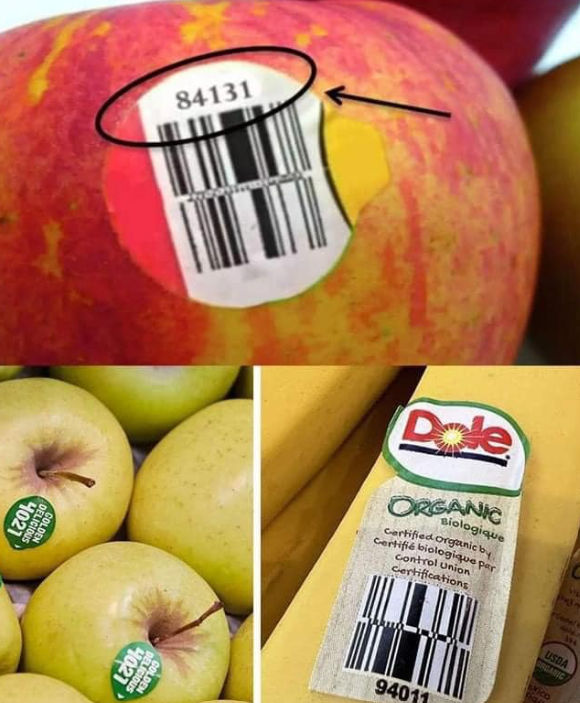
Introduction: The Little Stickers That Tell Big Stories
Have you ever peeled a tiny sticker off an apple and wondered what those numbers mean? You’re not alone! Every day, millions of shoppers around the world encounter these small, seemingly insignificant labels without understanding the wealth of information they contain. These aren’t just random numbers – they’re PLU codes, and they’re your secret weapon for making informed decisions about the produce you bring home to your family.
PLU codes, which stands for Price Look-Up codes, are part of the International Federation for Produce Standards (IFPS) system that has revolutionized how we identify and categorize fresh fruits and vegetables. Whether you’re a health-conscious parent trying to choose the best options for your children, someone following halal dietary guidelines who wants to ensure their produce meets certain standards, or simply a curious shopper who wants to understand what you’re buying, this guide will transform how you navigate the produce aisle.
These numerical codes aren’t just helpful for cashiers at checkout – they’re incredibly valuable for consumers who want to make educated choices about organic versus conventional produce, understand growing methods, and even identify potential allergens or treatments used on their fruits and vegetables. By the end of this article, you’ll be reading produce stickers like a pro and using this knowledge to shop smarter, eat healthier, and feel more confident about your grocery choices.
Table of Contents
Understanding the PLU Codes System
The PLU codes IFPS system was developed to create a universal language for produce identification across the globe. These standardized codes ensure that whether you’re shopping in New York, London, or Dubai, the same fruit will have the same identifying number, making international trade and local shopping more efficient and transparent.
The Basic Structure of PLU Codes
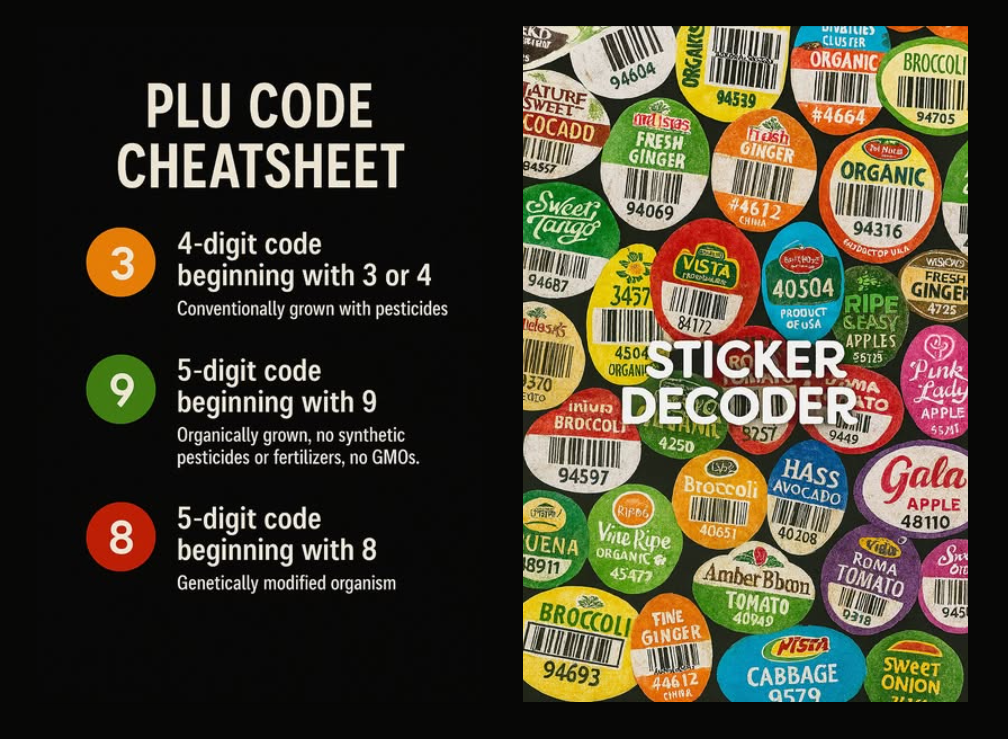
Most PLU codes consist of four or five digits, and each number tells a specific story about how your produce was grown and processed. Understanding this system is like learning to read a secret code that reveals the journey your food took from farm to store.
Four-Digit Codes (3000-4999): These represent conventionally grown produce. When you see a four-digit code starting with 3 or 4, you know the fruit or vegetable was grown using conventional farming methods, which may include the use of synthetic pesticides, herbicides, and fertilizers. For example, a regular Gala apple typically carries the code 4133.
Five-Digit Codes Starting with 8: These indicate genetically modified (GMO) produce. While GMO fruits and vegetables aren’t as common in retail stores as you might think, when they do appear, they’ll carry a five-digit code beginning with 8. An example would be 84133 for a GMO Gala apple, though this particular item isn’t commonly found in most grocery stores.
Five-Digit Codes Starting with 9: These are your organic options! When you see a five-digit code beginning with 9, you’re looking at produce that was grown according to organic standards. This means no synthetic pesticides, herbicides, or fertilizers were used, and the farming practices focused on soil health and environmental sustainability. That same Gala apple, when grown organically, would be labeled 94133.
Common PLU Codes You’ll Encounter
Understanding the most frequently used PLU codes can transform your shopping experience from guesswork into informed decision-making. Here are some of the most common codes you’ll see in grocery stores:
Popular Fruit Codes:
- Bananas (conventional): 4011
- Bananas (organic): 94011
- Gala apples (conventional): 4133
- Gala apples (organic): 94133
- Fuji apples (conventional): 4131
- Fuji apples (organic): 94131
- Navel oranges (conventional): 4012
- Navel oranges (organic): 94012
Common Vegetable Codes:
- Conventional tomatoes: 4664
- Organic tomatoes: 94664
- Conventional carrots: 4094
- Organic carrots: 94094
- Conventional broccoli: 4060
- Organic broccoli: 94060
Memorizing a few of these common codes can help you quickly identify whether you’re picking up conventional or organic versions of your family’s favorite fruits and vegetables.
The Technology Behind PLU Codes
The PLU codes IFPS system represents decades of international cooperation and technological advancement in the produce industry. The International Federation for Produce Standards works continuously to maintain and update this system, ensuring it meets the evolving needs of global food distribution.
These codes are integrated into sophisticated point-of-sale systems that can instantly recognize thousands of different produce items. When a cashier types in or scans a PLU code, the system immediately knows the exact product, its price per pound or unit, and other relevant information. This technology reduces checkout errors, speeds up the purchasing process, and helps stores maintain accurate inventory records.
Behind the scenes, PLU codes also help track produce from farm to consumer, supporting food safety initiatives and enabling quick responses if contamination or other issues arise. This traceability is increasingly important for maintaining public health and consumer confidence in our food supply.
Reading Stickers Like a Detective
Beyond the numerical PLU codes, fruit and vegetable stickers often contain additional information that savvy shoppers can use to their advantage. Learning to read these details can help you make even more informed choices about your produce purchases.
Country of Origin: Many stickers include information about where the produce was grown. This can be important for consumers who prefer locally sourced items or want to avoid products from certain regions due to personal preferences or concerns about farming practices.
Brand Information: Some producers include their brand or company name on stickers, allowing you to track which growers consistently provide high-quality produce. Over time, you might notice that certain brands consistently deliver better-tasting or longer-lasting fruits and vegetables.
Size Classifications: Stickers sometimes include size codes that help stores manage inventory and pricing. Understanding these can help you choose the best value for your needs.
Making Smart Choices at the Grocery Store
Armed with knowledge about PLU codes, you can approach produce shopping with confidence and strategy. Here are practical ways to use this information to benefit your family’s health and budget:
For Budget-Conscious Shopping: Understanding PLU codes helps you quickly identify conventional versus organic options, allowing you to make informed decisions about where to spend extra money on organic produce and where conventional options might be perfectly suitable for your needs.
For Health-Focused Families: If you’re prioritizing organic produce for your family’s health, knowing the “9” prefix makes it easy to spot organic options quickly, even when organic and conventional varieties are mixed together in displays.
For Environmental Awareness: Organic produce codes help you support farming practices that prioritize soil health, biodiversity, and reduced chemical inputs, aligning your purchases with environmental values.
The Global Impact of PLU Codes
The PLU codes IFPS system facilitates international trade by providing a common language for produce identification across different countries, currencies, and languages. This standardization has made it possible for consumers to enjoy fresh fruits and vegetables from around the world while maintaining transparency about their origins and growing methods.
For Muslim consumers who travel frequently or live in diverse communities, this international standardization means you can confidently shop for familiar produce regardless of which country you’re in, knowing that the same codes will help you identify the quality and growing methods you prefer.
Seasonal Shopping and PLU Codes
Understanding PLU codes becomes even more valuable when you consider seasonal availability and quality. Different seasons bring different produce options, and knowing how to read stickers helps you identify the best choices throughout the year.
During peak growing seasons, you’ll often find both local conventional and organic options available. PLU codes help you quickly distinguish between these choices and select the option that best fits your priorities and budget. Off-season produce often comes from different growing regions, and sticker information can help you understand where your food is traveling from and how it was grown.
Storage and Freshness Tips Based on PLU Information
The growing methods indicated by PLU codes can actually influence how you should store and handle your produce at home. Organic fruits and vegetables, identified by codes starting with 9, sometimes have different storage requirements because they haven’t been treated with certain preservatives or wax coatings.
Conventional produce might have longer shelf life due to post-harvest treatments, while organic produce often tastes best when consumed more quickly. Understanding these differences helps you plan your meals and reduce food waste.
Future Developments in Produce Labeling
The produce industry continues to evolve, and PLU codes are adapting to meet new consumer demands and technological capabilities. Future developments may include more detailed information about farming practices, carbon footprint data, and even QR codes that link to comprehensive information about specific farms and growing conditions.
Frequently Asked Questions About PLU Codes
What Does PLU Stand For and How Does IFPS Relate to It?
PLU stands for Price Look-Up, and these codes are managed by the International Federation for Produce Standards (IFPS). The IFPS ensures that PLU codes remain consistent worldwide, making international produce trade and local shopping more efficient and transparent for consumers everywhere.
Are PLU Code Stickers Safe to Eat?
The stickers themselves are designed to be food-safe, but they’re not intended for consumption. The adhesive and paper materials meet safety standards for food contact, but you should always remove stickers before eating or cooking your produce. The stickers are designed to peel off easily without leaving residue.
Do All Fruits and Vegetables Have PLU Codes?
Not all produce carries PLU codes. Generally, items that are sold individually or by weight (like apples, oranges, or bell peppers) have PLU codes, while items sold in packages or bunches (like packaged salads or herbs) might not. Some smaller or specialty items also might not have standardized PLU codes.
Can PLU Codes Tell Me About Pesticide Residue?
While PLU codes indicate whether produce is conventional or organic, they don’t provide specific information about pesticide residue levels. Organic produce (codes starting with 9) is grown without synthetic pesticides, while conventional produce may contain residue within legal safety limits. For specific pesticide information, consult resources like the Environmental Working Group’s produce guides.
How Long Have PLU Codes Been Used?
The PLU code system has been in use since the 1990s, developing alongside advances in grocery store technology and international trade. The system continues to evolve as consumer demands for transparency and traceability increase, with new codes regularly added for emerging produce varieties and growing methods.
Making PLU Codes Part of Your Shopping Routine
Incorporating PLU code knowledge into your regular shopping routine doesn’t require memorizing hundreds of numbers. Start by learning the basic prefixes: 3 or 4 for conventional, 8 for GMO, and 9 for organic. Focus on the codes for produce your family buys most frequently, and gradually expand your knowledge as you become more comfortable with the system.
Consider involving older children in learning about PLU codes as a way to teach them about food sourcing, healthy eating, and making informed consumer choices. This knowledge can serve them well throughout their lives as they develop their own shopping and cooking skills.
The next time you’re in the produce section, take a moment to examine the stickers on your fruits and vegetables. Those little numbers represent a sophisticated global system designed to help you make informed choices about the food you feed your family. Whether you’re prioritizing organic options, managing a budget, or simply wanting to understand more about your food’s journey from farm to table, PLU codes provide valuable information that can enhance your shopping experience and help you feel more confident about your produce purchases.
Recipe Card: Fresh Fruit Salad with PLU Code Awareness
Prep Time: 15 minutes
Cook Time: 0 minutes
Total Time: 15 minutes
Servings: 6
Ingredients:
- 2 large apples (PLU 4133 conventional or 94133 organic), cored and diced
- 3 bananas (PLU 4011 conventional or 94011 organic), sliced
- 2 cups fresh strawberries, hulled and halved
- 1 cup fresh grapes, halved
- 2 tablespoons fresh lemon juice
- 2 tablespoons honey (ensure halal certification)
- 1 tablespoon fresh mint leaves, chopped (optional)
Instructions:
- Wash all fruits thoroughly, paying attention to PLU code stickers and removing them completely
- Prepare fruits as indicated in ingredients list
- Combine all fruits in a large serving bowl
- Drizzle with lemon juice and honey
- Toss gently to combine
- Garnish with fresh mint if desired
- Serve immediately or chill for up to 2 hours
Notes:
Choose organic fruits (PLU codes starting with 9) when possible for the freshest flavor and to avoid pesticide residue. This salad is naturally halal and perfect for family gatherings or healthy snacking.
If you found this guide helpful, you might also enjoy learning about “How to Select the Ripest Fruits Using Visual Cues” and “Understanding Organic Certification Labels on Packaged Foods.”
Tags: IFPS, PLU Codes, PLU codes IFPS, the International Federation for Produce Standards (IFPS)