Lettuce and Salad Greens
Lettuce varieties excel in bucket gardens, offering quick harvests and successive plantings throughout cool seasons. The contained space actually benefits these shallow-rooted plants by concentrating nutrients and moisture where they’re needed most.
You can grow four to six lettuce plants per bucket, depending on variety. Leaf lettuces like Black Seeded Simpson or Oak Leaf work beautifully, as do mesclun mixes. Plant seeds or transplants in a grid pattern, harvest outer leaves continuously, and succession plant every two weeks for non-stop salads.
Green Beans
Bush bean varieties turn 5-gallon buckets into productive mini bean patches without requiring extensive trellising. Varieties like Provider, Contender, or Blue Lake Bush produce tender pods over several weeks.
Plant six to eight bean seeds around the perimeter of each bucket, spacing them evenly. Beans fix nitrogen in the soil, actually improving the growing medium for future plantings. They require minimal fertilization but appreciate consistent moisture, especially during flowering and pod development.
Zucchini and Summer Squash
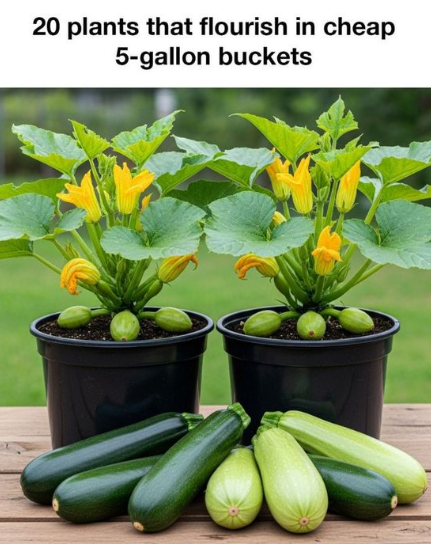
Compact bush varieties of zucchini and summer squash adapt surprisingly well to bucket growing, despite their reputation as space hogs. Look for varieties specifically bred for container culture like Eight Ball zucchini or Raven summer squash.
One plant per bucket is essential—squash needs every inch of that 5-gallon space. These heavy feeders benefit from rich potting mix amended with compost and regular fertilization. Watch for squash vine borers and hand-pollinate flowers if beneficial insects are scarce in your area.
Eggplant
Eggplants thrive in the warm, controlled environment that bucket gardens provide. Their compact growth habit and moderate root systems make them naturals for container culture.
Choose smaller-fruited varieties like Fairy Tale or Japanese eggplants for best results, though standard varieties like Black Beauty also succeed. Plant one eggplant per bucket in rich soil, and stake the plant once it reaches twelve inches tall. These heat lovers appreciate consistent moisture and benefit from side-dressing with compost midseason.
Herbs Perfect for Bucket Gardens
Fresh herbs growing just steps from your kitchen make bucket gardening worthwhile all by themselves. These aromatic plants practically care for themselves while providing culinary delights.
Basil
Basil transforms a 5-gallon bucket into a fresh pesto factory, producing aromatic leaves throughout the warm season. This tender annual loves heat and rewards minimal care with abundant harvests.
Plant three to four basil plants per bucket, choosing varieties like Genovese for Italian dishes or Thai basil for Asian cuisine. Pinch off flower buds regularly to encourage bushier growth and more leaf production. Basil pairs beautifully with tomatoes, both in the garden and on the plate.
Rosemary
This woody Mediterranean herb develops an extensive root system that appreciates the depth a 5-gallon bucket provides. Rosemary’s drought tolerance and evergreen nature make it a low-maintenance container resident.
Plant one rosemary per bucket in well-draining soil, possibly amended with extra perlite or sand. Position buckets where they’ll receive six to eight hours of sunlight. In cold climates, bring rosemary buckets indoors before frost and place near a sunny window.
Mint
Mint’s aggressive spreading habit makes bucket growing the perfect containment strategy. In fact, many gardeners prefer growing mint in containers to prevent it from overtaking garden beds.
One mint plant will quickly fill a 5-gallon bucket with fragrant foliage. Choose from peppermint, spearmint, chocolate mint, or other varieties. Keep soil consistently moist, as mint wilts dramatically when thirsty. Harvest regularly to encourage fresh, tender growth and prevent flowering.
Parsley
Both curly and flat-leaf parsley develop deep taproots that appreciate the vertical space in 5-gallon buckets. This biennial herb provides continuous harvests for nearly two years before flowering.
Plant three to four parsley plants per bucket, or direct seed for a denser planting. Parsley tolerates partial shade better than most herbs, making it perfect for spots that receive only four to six hours of sun. Keep soil evenly moist and harvest outer stems regularly.
Fruits That Produce in Buckets
Growing fruit in containers once seemed impossible, but these varieties prove otherwise, delivering sweet rewards from compact plants.
Strawberries
Strawberries and buckets form a match made in gardening heaven. Their shallow root systems, compact growth, and cascading habit make them ideal bucket residents that can produce for multiple years.
Plant four to six strawberry plants around the perimeter of each bucket, with their crowns at soil level. June-bearing varieties provide one large harvest, while everbearing types produce smaller amounts throughout the season. Strawberries appreciate slightly acidic soil and consistent moisture.
Blueberries
Dwarf blueberry varieties adapt remarkably well to container culture, producing sweet berries over many years with proper care. Their acid-loving nature makes controlled soil conditions in buckets advantageous.
Plant one blueberry bush per bucket in acidic potting mix designed for azaleas and rhododendrons. Varieties like Top Hat or Peach Sorbet stay compact while producing full-sized berries. Plant at least two varieties for cross-pollination. Blueberries require consistent moisture and benefit from annual top-dressing with compost.
Flowers That Brighten Bucket Gardens
Ornamental plants bring color and beauty to bucket gardens while often attracting beneficial pollinators to nearby vegetables.
Marigolds
These cheerful annuals thrive in buckets while providing pest-deterring benefits to neighboring vegetables. Marigolds’ uncomplicated nature makes them perfect for beginning gardeners.
Plant three to five marigolds per bucket, depending on variety size. French marigolds stay compact, while African types grow larger. Deadhead spent blooms to encourage continuous flowering. Marigolds tolerate heat and drought once established.
Zinnias
Zinnias deliver bold color and easy care in bucket gardens, producing cut flowers throughout summer and fall. These heat-loving annuals actually perform better in containers than some garden settings.
Sow zinnia seeds directly in buckets after frost danger passes, or transplant nursery starts. Space three to five plants per bucket depending on variety. Zinnias appreciate full sun, moderate water, and deadheading for continuous blooms.
Petunias
These cascading annuals spill beautifully over bucket edges, creating flowing displays of color. Modern varieties offer improved heat tolerance and disease resistance.
Plant three to four petunias per bucket for a full display. Wave or Supertunia varieties provide exceptional coverage. Feed weekly with diluted liquid fertilizer to support their prolific blooming. Pinch back leggy growth mid-season to encourage fresh flowering.
Root Vegetables Suited for Bucket Depth
The vertical space in 5-gallon buckets accommodates root vegetables that struggle in shallow containers.
Carrots
Carrots develop surprisingly well in bucket containers, utilizing the full depth to form straight, sweet roots. The controlled soil environment eliminates rocks and compaction that cause forked or twisted carrots.
Broadcast carrot seeds across the soil surface, then thin seedlings to one inch apart once they reach two inches tall. Choose varieties like Danvers or Nantes types that reach six to eight inches long. Maintain consistent moisture to prevent cracking, and harvest when roots reach desired size.
Potatoes
Growing potatoes in buckets allows unique advantages, including the ability to “hill up” easily and harvest without disturbing other plants. A single bucket can produce five to ten pounds of potatoes.
Place three seed potato pieces in the bottom six inches of soil. As plants grow, add more soil to cover the lower stems, leaving the top leaves exposed. Continue this process until the bucket is filled. Harvest when foliage dies back by simply dumping the bucket’s contents.
Radishes
These fast-growing root vegetables mature in just three to four weeks, making them perfect for impatient gardeners or quick succession plantings. Radishes also improve soil structure for follow-up crops.
Sow radish seeds half an inch deep, spacing them one inch apart. You can grow twenty to thirty radishes per bucket. Keep soil consistently moist to prevent woody, bitter roots. Harvest promptly when roots reach mature size to maintain quality.
Tips for Bucket Garden Success
Soil Selection and Preparation
Never use garden soil in buckets—its density causes drainage problems and compaction. Instead, choose high-quality potting mix that remains loose and friable. Enhance basic mixes by adding compost for nutrients, perlite for drainage, and coconut coir for moisture retention.
Refresh soil annually or between plantings by removing the top several inches and replacing with fresh compost-amended mix. This practice replenishes nutrients and prevents disease buildup.
Watering Strategies
Container plants dry out faster than in-ground gardens, especially during hot weather. Check soil moisture daily by inserting your finger two inches deep—if it feels dry, water thoroughly until excess drains from the bottom holes.
Consider installing simple drip irrigation on a timer if managing multiple buckets becomes time-consuming. Mulching the soil surface with straw or wood chips dramatically reduces water evaporation and moderates soil temperature….
