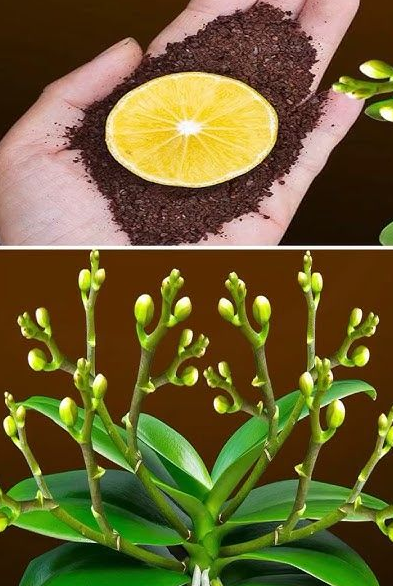
The citric acid in lemons helps unlock nutrients that may be present in your potting medium but unavailable to your plant due to pH imbalance. Many essential nutrients become more accessible to orchid roots in slightly acidic conditions.
Additionally, lemon juice acts as a natural chelating agent, which means it helps break down mineral deposits from hard water that can accumulate on roots and potting media. These deposits often block nutrient absorption and can damage delicate orchid roots over time.
The Complete Lemon Water Recipe for Orchids
Creating your orchid-reviving lemon solution is remarkably simple, but precision matters for the best results.
Ingredients You’ll Need
- 1 fresh lemon
- 1 liter of room temperature water
- A clean container for mixing
- A strainer or cheesecloth
Step-by-Step Preparation
Start by cutting your lemon in half and squeezing the juice into your container. You’ll need approximately 2 tablespoons of fresh lemon juice per liter of water. Strain out any pulp or seeds to prevent them from sitting in your potting medium where they could rot.
Mix the lemon juice thoroughly with room temperature water. Never use cold water, as temperature shock can stress orchid roots. The solution should smell mildly citrusy but not be overpoweringly acidic.
How to Apply Lemon Water to Your Orchid
The application method is just as important as the solution itself. Improper watering can negate the benefits of your lemon treatment.
The Soaking Method
Remove your orchid from its decorative pot if it has one, leaving it in its inner growing pot with drainage holes. Place the entire pot in a basin or sink and slowly pour your lemon water solution over the potting medium.
Allow the orchid to sit in the solution for approximately 15 minutes. This soaking period lets the roots fully absorb the acidified water and its benefits. After soaking, lift the pot and let excess water drain completely before returning the plant to its display location.
Important Application Guidelines
Apply this lemon water treatment once every two weeks during the growing season, which typically runs from spring through early fall. During winter dormancy, reduce applications to once per month.
Never apply lemon water to dry potting medium. Always ensure your orchid’s growing medium is slightly moist before treatment to prevent root shock from the acidic solution.
Additional Benefits of the Lemon Treatment
Beyond pH adjustment and mineral breakdown, lemon water offers several unexpected advantages for orchid care.
Natural Leaf Cleaning
Diluted lemon juice can be used as a gentle leaf cleaner. Mix one part lemon juice with ten parts water, dampen a soft cloth, and gently wipe orchid leaves to remove dust and restore their natural shine. This also helps the plant photosynthesize more efficiently.
Pest Deterrent Properties
The acidity and scent of lemon create an environment that’s less attractive to common orchid pests like spider mites and mealybugs. While not a complete pest control solution, it provides an added layer of protection.
What Results to Expect
Patience is essential when reviving struggling orchids. You won’t see overnight transformation, but consistent lemon water treatments typically produce visible improvements within four to six weeks.
Timeline of Recovery
During the first two weeks, you may notice stronger, greener leaves as the plant begins absorbing nutrients more effectively. By week four, new root growth often becomes visible through clear pots, appearing as bright green or white tips.
After six to eight weeks of regular treatment, many orchids produce new flower spikes, though blooming depends on other factors like adequate light and proper temperature fluctuations.
Common Mistakes to Avoid
While lemon water is beneficial, improper use can harm rather than help your orchid.
Overuse of Lemon Juice
More is not better when it comes to acidifying your orchid water. Using too much lemon juice can make the solution overly acidic, potentially burning delicate roots. Stick to the recommended ratio of 2 tablespoons per liter.
Ignoring Other Care Requirements
Lemon water isn’t a magic cure-all. Your orchid still needs appropriate light, proper air circulation, and correct temperature ranges. The lemon treatment works best as part of comprehensive orchid care.
Complementary Care Tips for Orchid Revival
Maximize your lemon treatment’s effectiveness by ensuring your orchid’s other needs are met.
Light Requirements
Most orchids need bright, indirect light for 12 to 14 hours daily. East or west-facing windows typically provide ideal conditions. If leaves turn dark green, your plant needs more light. Reddish-tinged leaves indicate too much direct sun.
Humidity and Air Flow
Maintain humidity levels between 40 and 70 percent around your orchid. Use a humidity tray or room humidifier if your home is dry. Ensure gentle air circulation to prevent fungal issues while avoiding direct drafts from heating or cooling vents.
Proper Potting Medium
Orchids require well-draining medium that allows air to reach roots. Bark-based mixes work excellently for most species. Replace potting medium every 18 to 24 months as it breaks down and loses its drainage properties.
Alternative Natural Remedies for Orchids
If you don’t have lemons available, several other natural solutions can benefit your orchids.
Rice Water Treatment
The starchy water left after rinsing rice contains nutrients beneficial for orchids. Use it at room temperature as a mild fertilizer alternative once monthly.
Banana Peel Tea
Banana peels steeped in water create a potassium-rich solution that promotes blooming. This complements lemon water treatment rather than replacing it.
When to Seek Professional Help
Sometimes orchids face issues beyond what home remedies can address. Recognize when your plant needs more than lemon water.
Signs of Serious Problems
If your orchid develops black, mushy roots despite proper care, root rot has likely taken hold and requires immediate intervention. Completely yellow leaves that fall off may indicate disease rather than simple nutrient deficiency.
Pest infestations that persist despite regular care should be treated with appropriate horticultural solutions rather than relying solely on lemon’s deterrent properties.
The Environmental Benefits of Natural Plant Care
Choosing lemon water over commercial orchid products offers advantages beyond plant health.
Using natural, biodegradable solutions reduces chemical runoff that can harm local ecosystems. Lemons are readily available, reducing packaging waste from commercial fertilizers. This approach aligns with sustainable gardening practices that benefit both your home and the broader environment.
Conclusion
Reviving a struggling orchid doesn’t require expensive specialized products or complicated procedures. With just one lemon and proper application technique, you can restore your plant’s health and encourage spectacular blooms. This natural remedy addresses common orchid problems by optimizing pH levels, improving nutrient availability, and preventing mineral buildup.
Remember that consistency matters more than intensity. Regular, gentle treatments combined with proper overall care will transform your orchid from struggling to stunning. The next time your orchid looks sad, reach for a lemon before rushing to the garden center. Nature often provides the best solutions right in your kitchen.
